Staying Cool, Calm and Collected: Prioritising Worker Safety on Offshore Oil Rigs
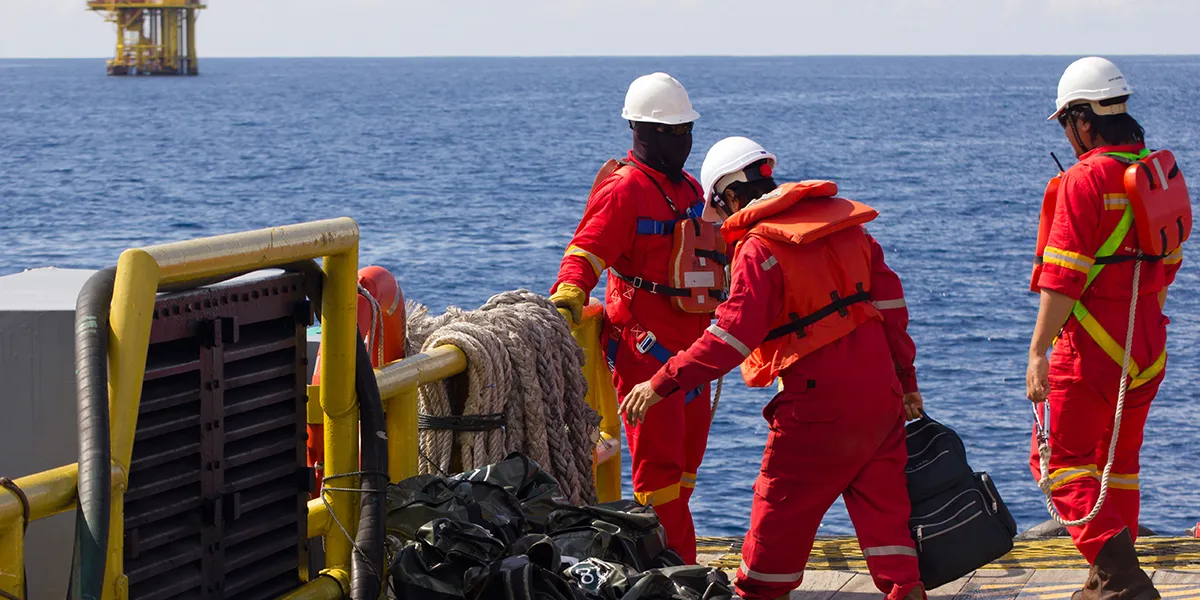
The unforgiving environment of offshore oil rigs presents a set of unique challenges for worker safety. While explosions and fires often grab news headlines, workers brave many other fierce elements and a multitude of occupational hazards that threaten their health and safety around the clock.
Ensuring worker health and well-being is paramount. This blog post delves into the critical issue of safety on offshore oil rigs, focusing on four hazardous areas: heat stress, fatigue, noise exposure and the need for intrinsically safe solutions. By understanding these hazards and implementing preventative measures, organizations can create a safer, more productive work environment for all.
What are the dangers of heat stress on offshore oil rigs?
Weather disruptions can have a big impact on an offshore oil rig, affecting both workers and operations. As oil rigs tend to go where there is oil, this can mean some of the hottest locations around the world. Reports indicate that operating an oil rig can cost up to $500,000 per day. With such high stakes, workers often work 7 to 14 days in a row, with 12-hour shifts that require extensive physical exertion, exposed to the elements to get the job done. This, combined with increasing temperatures and heat radiating from equipment, creates a perfect storm for heat-related illnesses.
Last year (2023), the US Bureau of Safety and Environmental Enforcement reported multiple instances of workers in the US offshore oil patch on the US Gulf Coast experiencing heat stress so severe that they had to be evacuated to shore for medical evaluation. While this has serious implications on the health and well-being of the workers, such incidents affect the operations and productivity on the oil rig, which can leave a costly financial burden.
The body’s inability to cool down can have significant consequences on oil rig workers when they’re exposed to high temperatures, especially over long periods of time.
Reduced cognitive function
As blood flow to the brain is affected, this can cause dizziness and confusion. In turn, heat stress can impair judgment, decision-making skills and reaction time, increasing the risk of accidents and operational errors.
Increased risk of injuries
In order for the body to thermoregulate, it loses electrolytes through sweat. If not replenished, this can cause muscle cramps and fatigue as well as dehydration. As a result, this can lead to more slips, trips, falls and collisions or the mishandling of equipment.
Lower productivity
Workers experiencing heat stress are less likely to perform at their peak, leading to decreased efficiency and output. If an incident occurs as a result, this not only indicates the worker is directly affected but can also slow down the project or, in serious circumstances, put a temporary hold on all operations.
How to combat heat stress on an offshore oil rig
Floating in the middle of the ocean, often far from medical support and land, a comprehensive heat stress prevention programme is the most effective measure for protecting workers on oil rigs. It’s important that a holistic approach is taken into account and is well communicated and documented so that workers understand the most effective course of action. An effective programme should include the following key components.
Hydration
Workers should be encouraged to drink plenty of water and understand the importance of hydration. Organizations should ensure workers have accessible hydration stations that also include electrolyte-replacement beverages throughout the shift.
Engineering controls
Installing air-conditioning systems in control rooms and critical work areas significantly improves thermal comfort. Additionally, utilizing ventilation systems to promote air circulation and creating shaded work zones can help reduce heat exposure.
Personal protective equipment (PPE)
Issue lightweight, breathable clothing made from moisture-wicking materials. Employers should ensure that PPE is comfortable to wear for extended periods and doesn’t impede worker mobility.
Work-rest schedules
Scheduling regular breaks in cool, air-conditioned areas, especially when temperatures soar, is paramount. This allows workers sufficient time to rehydrate, cool down and recover. If workers are wearing PPE, they should be encouraged to remove this when they are on breaks to allow the body to cool down sufficiently.
Monitoring and awareness
Worker training is crucial in such environments. Arming workers with the correct information can empower them to make informed decisions, and to be more aware when colleagues may be at risk and of the correct forms of action to take. This can be implemented alongside a buddy system that allows workers to monitor each other for signs of heat stress.
While this can be helpful, in some circumstances, it may not be a feasible option. This is where new technology adds another layer to help safeguard employees against the risks of heat stress. Training workers to recognise the signs and symptoms of heat stress is important; however, individuals can respond differently to high temperatures, with factors such as age, pre-existing health conditions, medication and acclimatization coming into play.
An intrinsically safe solution like Bodytrak 1 IS monitors an individual’s core body temperature (CBT) in real-time. Users receive audio alerts via the earpiece while supervisors also receive alerts via the Dashboard, text, WhatsApp and email if CBT begins to reach a level of concern. This proactive measure ensures workers and supervisors alike can intervene and take the necessary steps, and make any adjustments accordingly, before it leads to a serious incident.
How can fatigue impact worker safety on oil rigs?
Offshore oil rigs operate 24 hours a day, seven days a week. Workers can be on a rig for two to three weeks at a time, with limited sources of entertainment. They can often stay awake for 16 hours a day and then sleep for the remainder. With the 24-hour operational system, this may also mean waking up in the evening or early hours of the morning to begin your shift.
Excessive working hours, shift work, demanding tasks, constant motion and lack of sleep can lead to workers on an oil rig being more susceptible to fatigue. This can significantly impair judgment, reaction time and coordination. Studies show that work-related fatigue, combined with shift work and prolonged working hours, has a significant impact, contributing to accident rates increasing by 50–100 per cent.
The environment offshore workers operate and live in contributes to the risk of fatigue. Offshore work schedules disrupt circadian rhythm, the body’s natural sleep-wake cycle. This, combined with the accommodation provided on offshore facilities, which can be exposed to noise, lack of privacy and unfamiliarity, can make it difficult for workers to get quality sleep. As a result of sleep deprivation, fatigue can play a part in reducing alertness, impairing coordination and increasing poor judgment. While workers may start to become accustomed to being fatigued, internally the body is struggling to operate effectively, which makes it difficult for workers to self-assess subjectively when they’re making critical decisions.
The physical consequences of fatigue are all too evident; however, it’s important to recognise physically demanding tasks associated with offshore work can also lead to mental fatigue. This can cause individuals to be irritable, short-tempered, impatient or snappy, which can lead to confrontations, depletion in morale and lower productivity.
How to prevent fatigue in offshore oil rig workers
Building on the holistic approach for heat stress management, here are some strategies to fight against fatigue on offshore oil rigs.
Optimizing shift schedules
Consider implementing rotating shift schedules that allow for longer rest periods between shifts. This provides more time for workers to adjust their sleep-wake cycles and recover completely. Ahead of deployment, provide workers with predictable schedules, allowing them to plan for better sleep hygiene practices before heading out on the rig.
Enhancing sleep quality and recovery
Invest in soundproofing materials and blackout curtains for crew quarters to minimize noise and light disturbances. Provide high-quality mattresses, pillows and adjustable temperature controls to promote restful sleep. Allocate designated rest areas for short power naps during breaks, particularly during long shifts or night hours.
Promoting healthy habits
Offer nutritious and balanced meal options to boost energy levels and improve sleep quality. Provide on-site exercise facilities or encourage structured workout routines to promote better sleep and overall well-being. Offer training sessions on stress management techniques to help workers cope with the demanding offshore environment.
Monitoring fatigue
Self-assessment tools, such as surveys and questionnaires, used to be implemented to understand fatigue levels; however, this is extremely subjective as, by the time a worker is feeling tired, it is too late. Organizations can now use accurate, real-time data to stop any chance of a fatigue-induced incident before it happens. By analyzing an individual’s heart rate and heart rate variability, Bodytrak is able to detect when a user is at risk of fatigue before it happens. This information is based on real-time physiological data rather than subjective responses to ensure early detection and intervention.
What are the consequences of noise exposure on oil rigs?
While heat stress and fatigue pose significant dangers on offshore oil rigs, constant exposure to loud noise can be equally detrimental. This unrelenting pool of sounds, often exceeding safe decibel levels, can lead to a multitude of health problems and safety hazards for workers.
Imagine working long hours amidst the constant roar of machinery, the thrumming of generators and the clanging of equipment. This is the daily reality for offshore oil rig workers. Noise levels on these rigs can routinely surpass 85 decibels (dB), the threshold set by the Occupational Safety and Health Administration (OSHA) for prolonged exposure without hearing protection. Over time, this excessive noise can cause permanent hearing loss, tinnitus (ringing in the ears) and even problems with balance.
Beyond the long-term health effects, noise exposure can have a significant impact on worker safety in the short term. Constant loud noise can impair communication, making it difficult for workers to hear instructions, warnings or alarms. This can lead to confusion, errors in judgment and an increased risk of accidents. Additionally, noise-induced fatigue can further compromise worker alertness and reaction time, creating a perfect storm for safety incidents.
How to silence the threat of noise exposure
Fortunately, there are steps that oil rig operators can take to mitigate the dangers of noise exposure as part of a comprehensive safety programme. This not only protects the long-term health of offshore workers but also reduces the risk of incidents and costly operational disruptions.
Engineering controls
Implementing noise reduction measures at the source is an extremely effective approach. This could involve investing in quieter machinery, installing sound barriers around particularly noisy equipment and utilizing sound-absorbing materials in work areas.
Administrative controls
Limiting worker exposure times to loud noises can be achieved through strategic scheduling and workstation rotation. Providing extended breaks in quieter areas allows workers time for their ears to recover. Bodytrak 1 IS has noise metering, which can provide useful insights and help organizations make well-informed decisions when planning the schedules and rotations based on noise exposure.
Hearing protection
Equipping workers with high-quality hearing protection that is comfortable to wear for extended periods is crucial. Regularly testing and maintaining this equipment is also essential. Through the Bodytrak Hear:Safe™ accessories, organizations can utilize this one comprehensive solution that offers hearing protection as well as heat stress and fatigue monitoring, avoiding the need for several devices to manage multiple risks. Alternatively, organizations that prefer to use their own certified over-ear defenders can comfortably wear the Bodytrak 1 IS device with the Hear:Thru™ earbud without disrupting operations.
Education and training
Educating workers on the dangers of noise exposure and the proper use of hearing protection empowers them to take an active role in safeguarding their own health and safety and staying compliant.
The need for intrinsically safe solutions
Offshore oil rigs are inherently flammable environments. Even a small spark can ignite a catastrophic fire or explosion. Today, the Deepwater Horizon tragedy on 20 April 2010 continues to be one of the worst oil rig disasters of all time. The explosions caused the biggest spill in US history, with 4 million barrels of oil spilt into the Gulf of Mexico. This spill lasted nearly three months, costing BP an estimated $65 billion, not to mention the number of injuries and countless lives lost. This incident highlights the hazardous environment and high risk of explosions, which is why intrinsically safe equipment is crucial on oil rigs.
Intrinsically certified equipment is specifically designed to be incapable of producing sparks or generating enough heat to ignite a flammable atmosphere. This minimizes the risk of fire and explosion by ensuring all electrical equipment used on the rig is intrinsically safe. This includes tools, lighting, communication devices and any other electronic equipment that could potentially pose a threat.
While it’s important for offshore oil rig workers to have tools that can prevent heat stress or fatigue, wearable devices that can stop incidents on board are not compliant and of no use if they are not intrinsically certified. Bodytrak 1 IS is ATEX and IECEx certified to ensure that it can help organizations keep their teams safe and give them the confidence they need to focus on the demanding tasks at hand in the most challenging and hazardous environments like offshore oil rigs.
Conclusion
Offshore oil operations are vital to the global energy landscape, but they should never come at the cost of worker safety. Optimizing worker safety on offshore oil rigs requires a multi-pronged approach. By addressing the dangers of heat stress, fatigue and noise exposure, and utilizing intrinsically safe solutions, organizations can create a work environment where health and safety is prioritized.
The team at Bodytrak are dedicated to developing innovative solutions that promote worker health and safety in demanding environments. From CBT monitoring to early fatigue detection, Bodytrak offers organizations an intrinsically safe solution that provides real-time actionable data which can assist oil and gas companies in creating a safer, more productive offshore workforce.