Ensure compliance with ESG Policies: How Bodytrak Supports Worker Safety and Corporate Governance

In today’s corporate landscape, Environmental, Social, and Governance (ESG) policies are a driving force behind ethical, sustainable, and responsible practices. As scrutiny over worker welfare and regulatory compliance grows, the accountability of organizations for the safety, health, and well-being of their employees is increasing. For sectors where workplace conditions can pose hazardous risks, effective safety solutions that meet ESG objectives are essential.
The smart safety solutions from Bodytrak provide a proactive system to ensure compliance with and strengthen ESG policies, with a focus on protecting worker safety and well-being and meeting regulatory requirements. By monitoring crucial physiological responses in real-time, Bodytrak empowers organizations to safeguard workers from risks such as heat stress, fatigue, musculoskeletal disorders (MSDs), and noise exposure. Discover how Bodytrak aligns with organizational ESG goals, helping to promote a culture of safety, responsibility, and compliance.
What are ESG policies?
Environmental, Social, and Governance (ESG) policies are more than buzzwords used in the boardroom. They are a set of guidelines that create a framework for an organization’s commitment to responsible business practices. It acts as a coherent list of standards that hold organizations accountable to stakeholders, employees, and the environment.
ESG policies emphasize protecting natural resources (Environmental), promoting ethical business practices and employee welfare (Social), and ensuring adherence to laws, regulations, and internal policies (Governance).
Environmental: Supporting sustainable practices and operational efficiency
The environmental aspect focuses on how the organization minimizes its impact on the environment, covering products and services, the supply chain and operations. Policies can involve reducing energy by using renewable sources to become a net zero organization to developing greener products and services. For instance, Hewlett Packard was one of the first organizations to have reported greenhouse gas emissions and implemented plans aimed at reducing emissions and mitigating the amount of toxic substances used in manufacturing their products, like cartridges.
While Bodytrak® primarily focuses on enhancing worker health and safety and reducing the direct and indirect costs of incidents, the solution also supports environmental goals by reducing operational disruptions and minimizing the carbon footprint associated with workplace incidents. According to the Health and Safety Executive, in 2023 the estimated loss in productivity costs to organizations as a result of the days lost to sickness and injury was £7.2 billion. By preventing these incidents that can lead to costly emergency responses, facility downtime, and resource-intensive remediation processes, Bodytrak contributes to operational continuity, reducing the environmental impact often associated with sudden workplace incidents. For instance, fewer heat stress incidents or fatigue-related injuries can mean reduced need for vehicle dispatches, medical interventions, and energy-consuming recovery processes, which can have a significant environmental impact over time.
Additionally, by helping to optimize workforce management, Bodytrak supports efficient resource utilization, contributing to sustainable business practices. Predictive insights from Bodytrak allow companies to adjust work patterns and reduce peak-hour energy consumption by avoiding incidents that might lead to shutdowns or increased energy demands for ventilation or cooling. By enhancing worker health and safety in a sustainable and data-driven way, Bodytrak aligns with the environmental component of ESG, promoting both ethical resource use and operational efficiency that supports long-term sustainability goals.
Social: Protecting worker health and well-being
Managing heat stress with real-time monitoring
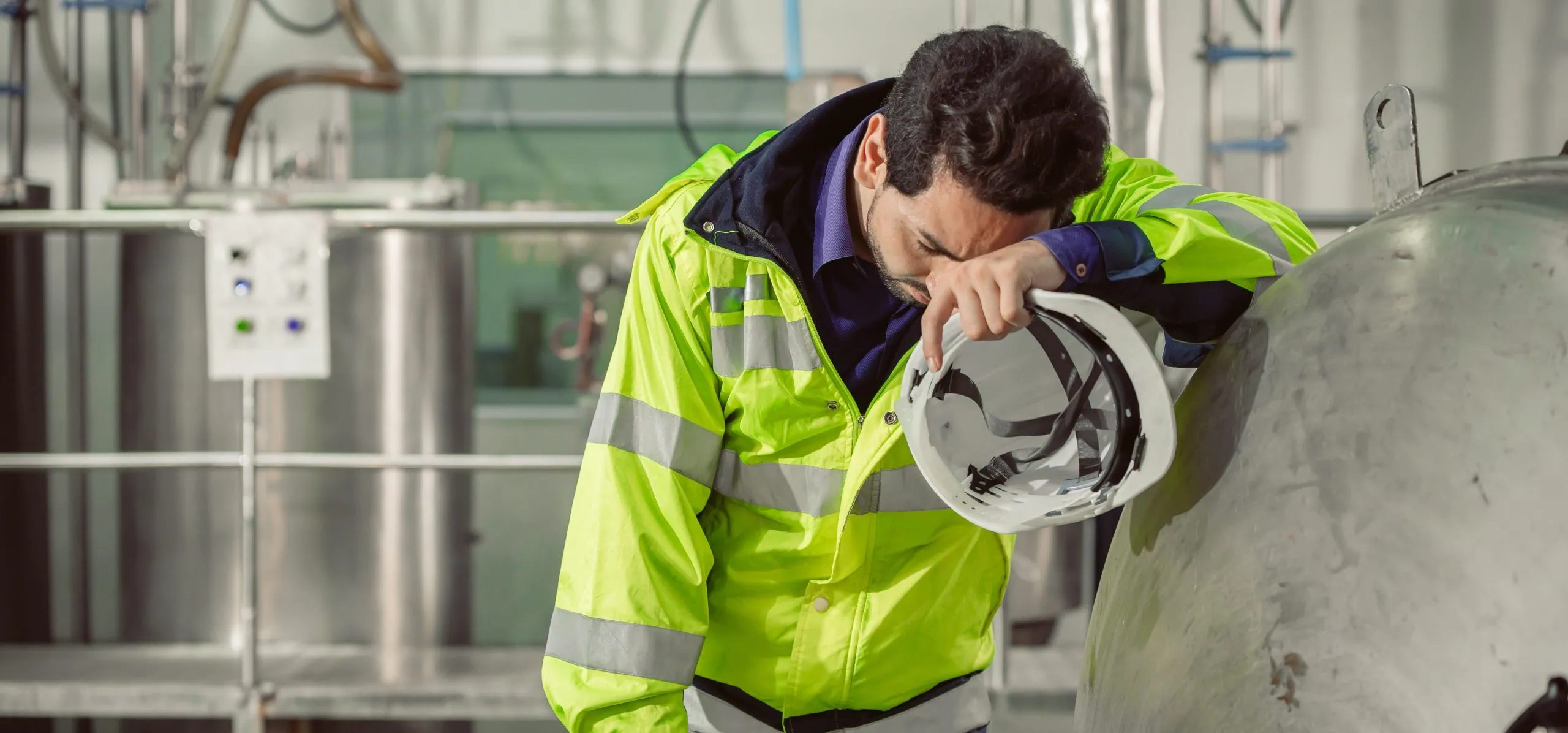
In physically demanding environments, heat stress poses a serious risk to workers. According to studies, heat-related incidents are rising, driven by climate change and increasing temperatures, affecting industries like construction, agriculture, and manufacturing. Prolonged exposure to heat without intervention can lead to dehydration, heatstroke, and even fatalities, significantly impacting both worker health and productivity. While heat-related incidents in the workplace are entirely preventable, millions of workers are affected around the world each year. A report from the Atlantic Council in the US states that extreme heat is associated with 8,500 excess deaths annually and estimates this is alarmingly set to rise to 59,000 by 2050.
With the ability to capture the physiological responses to workplace and environmental stressors of each individual worker, Bodytrak helps organizations combat these risks. Between January to October 2024, Bodytrak detected over 1000 cases of heat stress which exceeded safe thresholds. Real-time alerts prevented these instances from escalating into more serious heat-related illnesses.
By continuously monitoring indicators like core body temperature and heart rate, the solution from Bodytrak triggers early warnings of heat stress, enabling both workers and organizations to take preventive action or seek assistance before reaching critical conditions. This protects the physical health of workers while also reducing absenteeism, hospitalisations, and associated costs – supporting customers to better manage their team exposed to harsh environments.
Detecting fatigue to prevent incidents
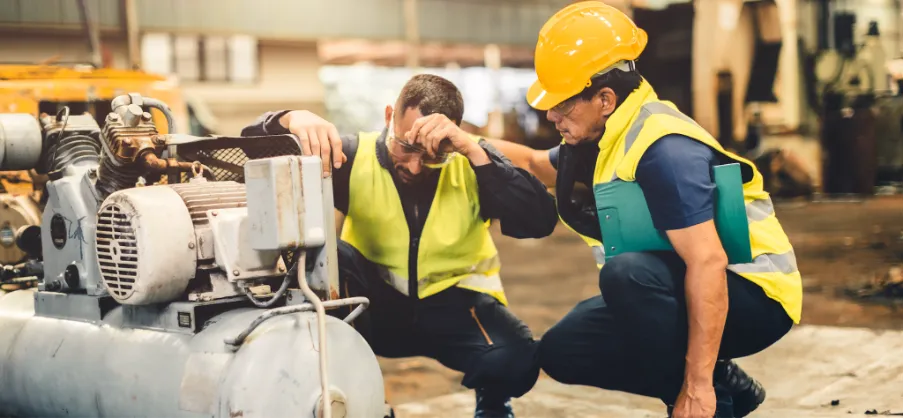
Fatigue is a major contributing factor in workplace accidents, reducing cognitive function, focus, and reaction time. In sectors like mining, manufacturing, and logistics, fatigue can elevate the risk of accidents, putting employees and the entire workforce at risk. Safety data highlights that fatigue is estimated to contribute to 13% of workplace injuries and is a significant factor in productivity loss, costing the US $136 billion annually in health-related productivity losses.
Each year Bodytrak helps organizations reduce workplace injuries by up to 20% by preventing fatigue and other health-related issues like heat stress. With the evolution of technology and machine-learning (ML) algorithms, Bodytrak continuously assesses each individual worker’s fatigue levels by analyzing heart rate and heart rate variability. With access to real-time fatigue insights, organizations can recognise signs of fatigue and intervene promptly when alerts are raised. This ensures workers take essential breaks and receive the necessary support to maintain safe performance levels.
Preventing musculoskeletal disorders
Musculoskeletal disorders (MSDs) are one of the leading causes of workplace injuries, especially in industries requiring manual labor and physical exertion. The Bureau of Labor Statistics identified more than 86,000 cases of lifting-related injuries, often a result of one-time heavy lifts. The costs associated with MSDs are substantial, often resulting in long-term physical injury, lost work hours, and increased medical expenses. For many organizations, MSDs are also a critical issue for worker morale and satisfaction, impacting retention rates and overall well-being.
Designed to help organizations identify early signs of MSDs, the Lifting Strain Index developed by Bodytrak evaluates the physical strain involved in specific activities. By capturing data on the movements and exertion of a worker, especially when poor lifting techniques are consistently repeated, organizations are able to proactively intervene before serious injuries occur. Reducing the risks of MSDs enhances employee safety and well-being, as well as productivity. Studies conducted by Occupational Health Science, highlight that an employee’s health and safety are of primary importance and are key elements to achieve an organization’s desired productivity and efficiency.
Managing noise exposure and mental well-being
Excessive noise is another pervasive hazard in many industrial environments. Constant exposure to high levels of noise can lead to hearing loss, stress, and mental health challenges, such as isolation or communication difficulties. Workplace hazards, such as heat stress, fatigue and musculoskeletal injuries, can impact mental well-being – prolonged noise exposure is no different. Research indicates that prolonged noise exposure increases the risk of anxiety, depression, and even cognitive decline.
Bodytrak offers a solution by monitoring noise exposure levels, helping organizations to ensure that workers are not subject to harmful decibel levels over extended periods, or that their hearing protection is sufficient for the environment in which they work. This provides critical insights into when noise levels are at their peak, ensuring organizations can implement effective noise-reduction strategies or provide an appropriate rating of hearing protection based on supporting data.
In-ear hearing protection is integrated into the comprehensive safety solution from Bodytrak, known as Hear:Safe™. The Bodytrak Earpiece and Hear:Safe earbuds complement existing personal protection equipment (PPE), such as ear defenders, allowing users to wear either one or both forms of PPE for additional protection against hearing loss and to maintain effective safety protocols.
By minimizing harmful noise exposure, Bodytrak helps prevent both physical and psychological strain, addressing ESG’s social component by promoting safety and well-being.
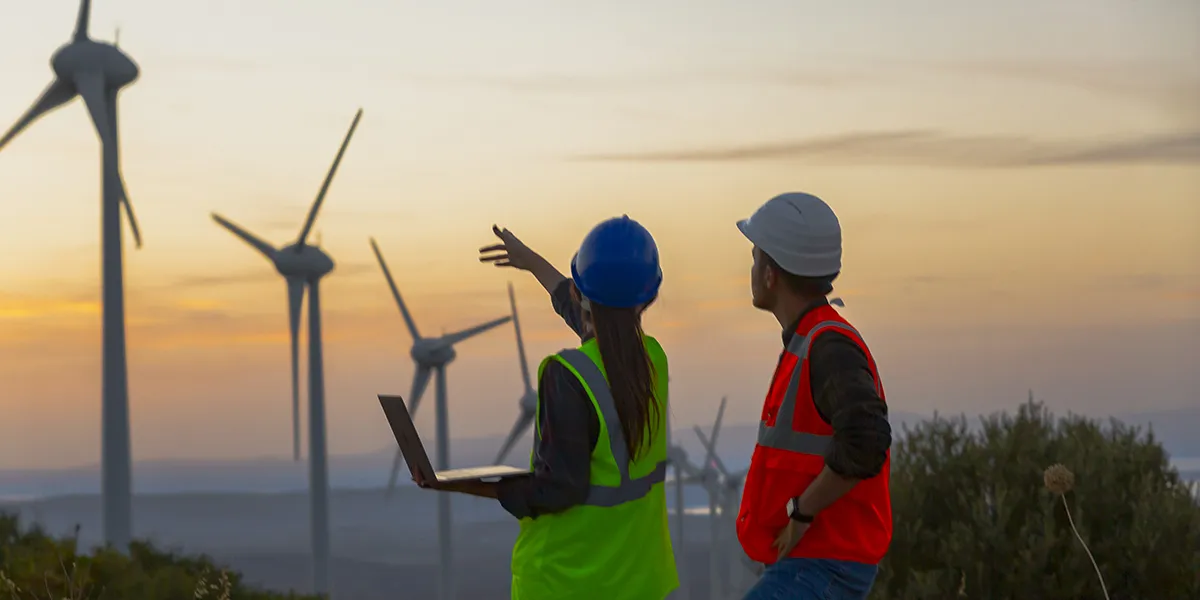
Governance: Ensuring compliance with safety standards
Streamlining compliance with health and safety regulations
Maintaining compliance with health and safety regulations is essential in any industry, particularly those in high-risk sectors. Regulations surrounding higher temperatures, noise limits, and fatigue management are becoming much stricter, as governments around the world recognise the vast impact of these risks on worker safety. Non-compliance can result in heavy fines, legal consequences, and reputational damage.
Through automated reports that provide reliable, real-time insights on worker safety, Bodytrak helps organizations achieve regulatory compliance. This data simplifies compliance by generating records that document adherence to workplace safety standards, from heat exposure limits to noise management requirements. Incident management recorded via the Bodytrak Platform also ensures internal compliance with response procedures and accountability. With Bodytrak, organizations can quickly demonstrate their commitment to provide safe working environments and personal protective equipment while complying with safety laws and internal policies, and reducing legal risks.
Enabling proactive risk management
While compliance is extremely important, the Governance component in ESG policies extends beyond this. It also includes proactive risk management and the ability to anticipate and address potential hazards. The predictive analytics and trends identified in the reports from Bodytrak allow companies to foresee and mitigate conditions that could lead to increased risks or incidents. For instance, organizations can identify trends from the Bodytrak report related to fatigue or physical strain, enabling intervention or adjustments to shift scheduling and patterns before minor issues escalate into major incidents.
This proactive risk management approach is vital for companies seeking to not only adhere to but exceed regulatory expectations, aligning with best practices in corporate governance. By reducing incidents through predictive insights, Bodytrak aids in minimizing disruptions, protecting workers, and fostering a culture of responsibility and safety.
Protecting data privacy and security
Organizations can’t take proactive steps to keep workers safe and productive unless they have accurate insights. This is where capturing data that is accurate and reliable is invaluable; however, as wearable solutions capture more data, maintaining security and privacy has become a crucial aspect of Governance. Organizations can choose to use pseudonyms or alphanumeric identifiers in the dashboard so that users remain anonymous to all or selected control staff. Features such as geolocation can also be disabled when necessary or when internal privacy policies require it.
Bodytrak takes data protection seriously, employing advanced and robust security protocols to ensure that all collected information is encrypted and stored securely. Information captured through the smart safety solution is not shared with any third parties. In some organizations and regions, regulations limit cloud-connected services. In this event, Bodytrak can provide an on-premise (air-gapped) solution, where the platform runs entirely locally on the organization’s servers, providing the most secure configuration.
Bodytrak complies with international data protection standards, providing organizations and their employees peace of mind that personal data is handled with the highest ethical standards. This commitment to privacy not only aligns with ESG’s Governance component and data privacy laws, but also helps companies build trust with their workforce, reinforcing Bodytrak’s role as a secure and responsible solution for worker safety.
How Bodytrak drives long-term ESG benefits
Supporting sustainable business practices
Sustainability is increasingly linked to employee retention and satisfaction, which in turn contribute to an organization’s long-term viability. Bodytrak supports these sustainable practices by reducing health risks that lead to absenteeism, long-term injuries, and employee turnover. By prioritizing worker health, companies can achieve higher retention rates, increase productivity, and enhance morale — building a more resilient workforce. As the cost of living increases and expenses rise across organizations, employee retention has never been more important. In fact, it can cost between six to nine month’s salary to find and onboard a new employee and bring them up to speed, making it far more costly to hire a new worker rather than retain one.
Furthermore, by reducing the likelihood of workplace incidents, Bodytrak minimizes disruptions that can lead to environmental and operational costs, such as emergency response actions and equipment downtime. This alignment with sustainable practices contributes to the Environmental and Social pillars of ESG, positioning an organization as a leader in ethical and sustainable operations.
Elevating brand reputation and stakeholder trust
A strong ESG policy is an asset to any organization’s reputation. Today’s stakeholders, such as investors, customers, and employees, place greater value on organizations that prioritize ethical and sustainable practices. Studies show there’s a positive correlation between a company’s ESG performance and its reputation.
With Bodytrak, organizations can demonstrate their commitment to ESG values, building a reputation as responsible employers who care about the safety and welfare of the people that make up their workforce. By promoting safety and compliance, Bodytrak helps companies elevate their brand image, foster trust among stakeholders, and attract investors who value ESG commitments. This not only strengthens the organization’s market position but also ensures long-term resilience and competitive advantage.
Conclusion
As companies strive to align with ESG standards and expectations, Bodytrak provides an invaluable tool for protecting and quantifying worker health and safety, and ensuring both regulatory and internal compliance. By addressing critical risks such as heat stress, fatigue, musculoskeletal injuries, and noise exposure, Bodytrak empowers organizations to enhance both the Social and Governance aspects of their ESG policies. Through proactive monitoring, data security, and compliance support, Bodytrak offers a solution that helps organizations meet today’s workplace challenges responsibly, ethically, and effectively.
Adopting Bodytrak is more than a commitment to worker safety; it is a commitment to sustainable, responsible, and forward-thinking business practices that prioritize employee welfare and regulatory adherence. With Bodytrak, organizations can confidently pursue their ESG goals, leading the way in creating safe, healthy, and compliant workplaces for a sustainable future.
To find out how you can implement Bodytrak in your organization to keep workers safe while also adhering to ESG and regulatory requirements, speak to the team today or arrange a complimentary demo.