Guide to Managing Fatigue: How to Support Workers During Changing Clocks and Darker Days

As daylight saving time ends in some regions and starts in others, many workers notice a change in their routines, especially those who have become accustomed to more sunlight — the mornings are darker, and the days get shorter. For lone workers in sectors like transport and logistics, this seasonal change goes beyond minor inconveniences. It can significantly disrupt circadian rhythms, increasing fatigue and posing serious safety risks in the workplace. As research increasingly shows the link between fatigue and workplace incidents, effective fatigue management is essential, especially during seasonal changes.
A smart safety system like Bodytrak offers real-time solutions to provide insights that help protect workers during the challenging winter months and beyond. The following guide delves into the impact of seasonal changes, circadian rhythms and sleep patterns on fatigue and how it affects worker safety, especially for those working alone. The ability to capture accurate insights around worker fatigue enables organizations to better understand the risks and implement the most relevant strategies to keep their workers safe whilst maximizing productivity.
Why fatigue is especially risky for lone workers
According to data from the National Safety Council (NSC), fatigued workers are three times more likely to be involved in a workplace incident. In 2022, it was estimated that there were approximately 1,300 collisions resulting in injuries from driver fatigue. While fatigue can be difficult to determine after an incident, the Health and Safety Executive (HSE) estimates that it is one of the big contributing factors in 20% of all accidents on major UK roads. Among truck drivers, fatigue-related crashes cost billions each year and have long-lasting effects on both employee well-being and operational costs. Given such figures, it is evident that fatigue is a pervasive risk for a wide range of workers in transport, logistics and similar sectors.
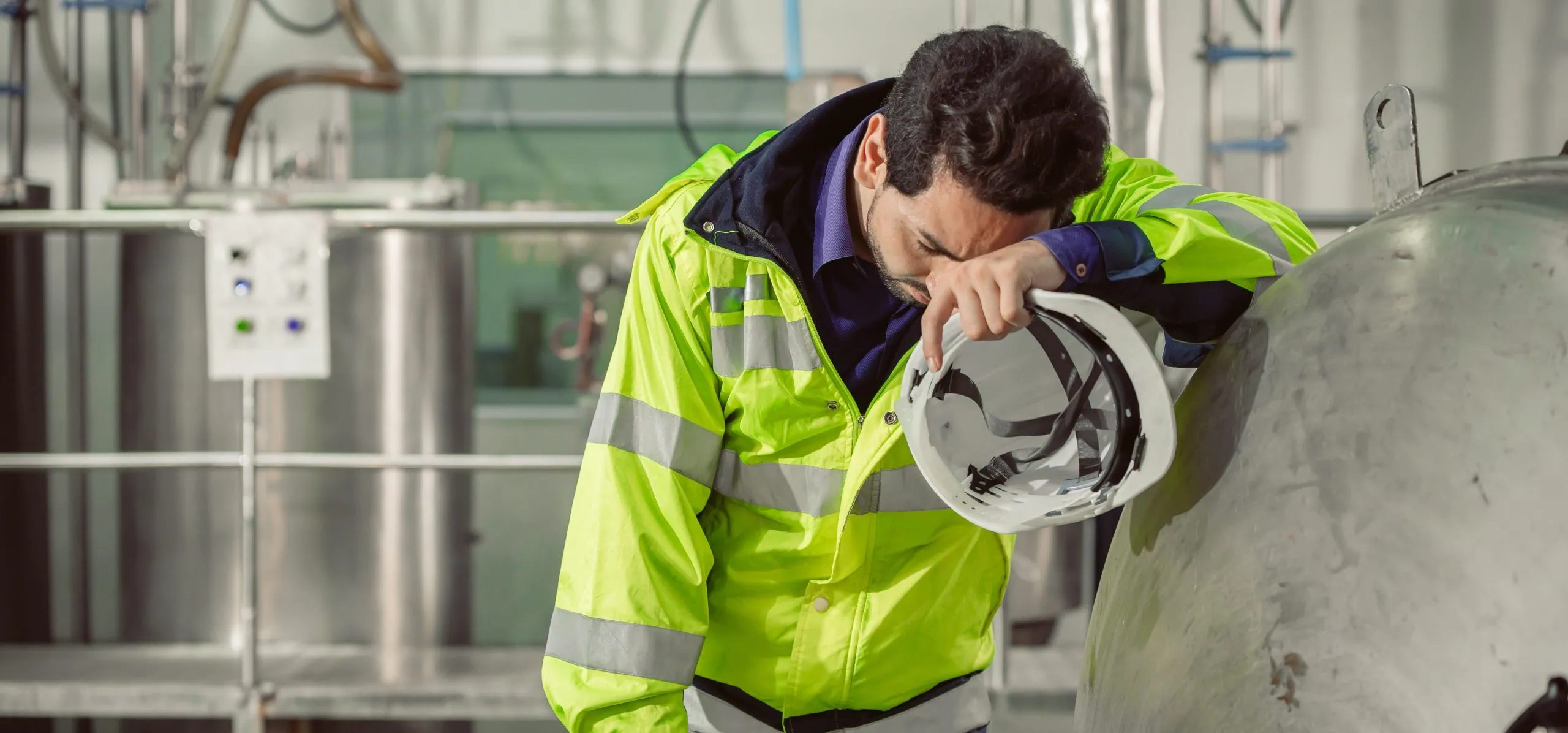
Fatigue affects cognitive function, reduces reaction times, and impairs judgment, increasing the probability of incidents and costly delays. For lone workers, the stakes are even higher, as they lack the immediate support of colleagues to help recognise signs of fatigue and don’t have access to direct and immediate support in emergency situations.
What is circadian rhythm?
Circadian rhythm is the body’s natural, internal process that regulates cycles of alertness and sleepiness over 24 hour periods. It is controlled by a small part of the brain called the suprachiasmatic nucleus (SCN), that is located in the hypothalamus, which responds to factors such as light and darkness. This is important as it can impact the way the body functions when it comes to sleep, hormone release, appetite and digestion, temperature regulation and even mood, as it helps the body anticipate and adapt to daily changes.
Disruptions in circadian rhythm, like those caused by shift work or traveling across time zones, can lead to sleep disorders, fatigue, and other health-related issues. Maintaining a regular circadian rhythm is important for physical and mental well-being, as it optimizes the timing of essential functions for the body.
While light and darkness has the biggest influence on circadian rhythm, it is important to understand that other factors can affect it too. This includes (but is not limited to) food intake, stress, physical activity and social environments.
To better understand circadian rhythms, consider someone who is used to working on a construction site. They regularly go to bed at 10:00 pm and wake up at 06:00 am to go to work. Their body adapts to this cycle, releasing melatonin (the sleep hormone) in the evening and cortisol (the hormone that helps the body respond) in the morning, ensuring that the level of alertness is aligned with their daily schedule. Suddenly, this worker becomes a fly-in, fly out (FIFO) worker on a night shift, causing disruption to their routine, sleeping during the day and working through the night when they would usually be sleeping. This change is likely to cause fatigue and difficulty focusing as a result of the misalignment of their circadian rhythm with their new sleep schedule, heightening the risk of incidents in the workplace.
How darker days impact fatigue and worker safety
While some people look forward to an extra hour of sleep, the night the clocks shift backward, ending Daylight Saving Time, starts a reduction in natural light that affects the body’s circadian rhythm. Exposure to light acts as a signal to the body to tell it when to feel alert or tired. Melatonin, the hormone that helps the body sleep, is produced naturally from the amino acid tryptophan, by the pineal gland. Darkness stimulates the body to produce more melatonin which encourages sleepiness. Without adequate daylight the body produces more melatonin leading to increased fatigue and a reduction in concentration during working hours.
For workers, especially those in transport and logistics, they often start or end their shifts in darkness. This exposure can significantly impact their level of fatigue and alertness. According to the National Highway Transportation Safety Administration’s Fatal Accident Reporting System, the week after the clocks turn back often sees a spike in car accidents. This isn’t a coincidence as the sudden change in lighting conditions interrupts the circadian rhythm, affecting the body’s ability to respond.
Understanding circadian rhythm disruption and seasonal fatigue
The end of Daylight Saving Time often means workers, especially those working alone, are required to continue their daily tasks in darker hours, affecting alertness and productivity. The impact often feels greater as a result of the dreaded darkness in the mornings and lack of natural light we need to feel awake, making it harder to get up. For regions entering daylight saving, an extra hour of sunlight is gained; however, an entire hour of sleep is also lost. While it may not sound like a lot, this can also significantly impact the body. Both changes in the clock have direct implications on the circadian rhythm as it needs to re-calibrate in order to adjust to the new cycle. For some individuals it can take a few days for the body to adapt to the new sleep cycle while others can take up to a week. Research highlights that on the Mondays after daylight saving there are 3.6 more injuries compared to other days and a 68% increase in lost work days.
These seasonal changes cause circadian rhythm disruptions creating a “sleep debt,” making it harder to sustain focus and increasing the likelihood of incidents, especially in high-stakes environments where concentration is essential. While this seasonal change is relevant for all workers, circadian rhythm disruptions can affect some workers all year round. It is particularly strong for shift workers who may struggle to adjust their natural sleep-wake cycles. Studies have shown that shift workers are more likely to experience sleep disruption such as insomnia, poor sleep quality and insufficient sleep. The prevalence of insomnia in shift workers is between 29% and 38%, which is much higher compared to the general population that sits at 6%.
Environmental and situational fatigue triggers in winter
It is not uncommon for energy levels to drop during the winter months. Winter brings unique environmental challenges that amplify fatigue risks for workers, especially those working alone or in remote roles. Beyond the shortened daylight hours, the persistent lack of natural light can disrupt circadian rhythms as discussed previously.
This seasonal shift often results in lower energy levels, reduced concentration, and slower reaction times, all of which heighten safety risks for lone workers. Without the daylight cues that support their typical alertness cycles, workers may experience increased drowsiness or difficulty staying focused — challenges further compounded by colder, darker mornings that can intensify the struggle to stay energized.
For lone workers, this seasonal fatigue triggers an even more profound safety concern, as they lack immediate support to recognise fatigue onset or manage its effects in real-time. Exposure to prolonged darkness and cold not only affects cognitive function but also increases physiological demands, as the body must expend additional energy to maintain warmth. This energy drain can accelerate physical and mental fatigue, making these workers more susceptible to incidents and injuries.
A solution like Bodytrak’s real-time monitoring can support workers by monitoring fatigue indicators, offering insights that enable both workers and supervisors to take preventive measures, helping maintain safety and productivity even during the darkest winter days.
How to reset your circadian rhythm
In some professions disturbing circadian rhythms are unavoidable however, steps can be taken to reset or re-calibrate to ensure a smoother transition to protect the health and well-being of workers. Re-calibrating an individual’s circadian rhythm means resetting when your body naturally wants to go to sleep and wake up.
Transition gradually
Similar to heat acclimatization, it’s important to make adjustments to the schedule gradually. Instead of changing sleeping patterns by several hours over a very short space of time, it is far more effective to adjust timing by an hour or less every few days until the new schedule is reached. This ensures the circadian rhythm can accommodate changes gradually. Once the goal of the new schedule has been reached it’s imperative to establish a consistent routine, even on days off work, to avoid any disruption.
Since gradually adjusting schedules is the best approach, organizations should consider this for their shift workers to mitigate the risks of fatigue and ensure adequate rest days are planned for recovery.
Get active
Exercise is a powerful tool in resetting the body’s natural rhythm. Exercise helps regulate the release of various hormones, like cortisol, which influence energy levels and alertness. Engaging in regular activity, especially in the morning or early afternoon, sends strong cues to the body about when to be awake and active, helping to reinforce a consistent sleep-wake cycle.
For workers facing irregular hours or those adjusting to seasonal time changes, getting active outdoors, particularly in natural light, offers added benefits. Sunlight is one of the strongest signals for resetting circadian rhythms, so outdoor exercise when possible is highly effective for promoting alertness and combating the lethargy that darker months can bring.
Organizations can support this by encouraging brief, active breaks outdoors where feasible. This approach not only supports circadian rhythm regulation but also promotes mental well-being and alertness — especially important for lone workers who may not have regular interactions to help them stay focused and energized.
Adjust meal times
Aligning meal times with sleep schedules is important when trying to reset the circadian rhythm. Hunger cues and metabolism are intricately tied to the body’s internal clock. As such, a consistent meal schedule sends reinforcing signals that help the body anticipate waking and sleeping times.
For workers aiming to shift their routine earlier, starting the day with breakfast upon waking and having meals at consistent intervals can help signal waking up and alertness. Conversely, workers trying to adapt to later hours may find that delaying meal times gradually, in line with their sleep schedule, can make the adjustment more manageable. Eating dinner two to three hours before bed is also essential, as eating too close to sleep can lead to disruptions, making it harder to stay aligned with a new schedule.
Maintaining consistency with meal times is crucial for solidifying these circadian adjustments. Once workers are on a desired schedule, sticking to regular eating patterns helps reinforce the body’s internal clock, making it easier to stay in sync even during seasonal time changes or irregular shifts.
Research shows that late meals can delay the circadian rhythm, pushing sleep onset later, while consistent, earlier mealtimes help shift it earlier — valuable for workers on changing schedules. For shift workers and those dealing with seasonally reduced daylight, using meal timing alongside other strategies like physical activity can create a holistic approach to managing circadian disruptions and mitigating fatigue.
Reduce artificial light exposure
Limiting exposure to artificial light, particularly from screens, is essential for supporting a healthy circadian rhythm. Blue light emitted from devices like phones, computers, and even some LED lights can trick the body into thinking it’s still daylight, delaying the release of melatonin, the hormone that signals it’s time for rest. For workers adjusting to new sleep schedules or battling fatigue during seasonal shifts, reducing blue light exposure an hour or two before bed can make a significant difference. Simple adjustments like dimming screens, using night mode, or opting for warm lighting in the evening can help cue the body to wind down. If avoiding screens isn’t feasible, blue light-blocking glasses can help mitigate the impact of artificial light on the body’s internal clock.
Consistent lighting routines also play a role in resetting the circadian rhythm. Keeping lighting bright during working hours and gradually dimming lights in the evening can mimic natural daylight cycles, which helps reinforce alertness during the day and restfulness at night. This is especially relevant for shift workers, who may benefit from bright light exposure during waking hours and minimized light as they approach bedtime, helping maintain a rhythm that aligns with their work requirements.
Avoid alcohol and caffeine
While caffeine is commonly used to boost alertness, it can disrupt sleep when consumed too late in the day, making it harder to adjust to a new sleep schedule. To reset or maintain a stable circadian rhythm, it’s best to avoid caffeine at least eight hours before bedtime, as it can delay melatonin release and impact sleep quality. Similarly, alcohol may feel relaxing initially but can lead to fragmented sleep, reducing the chances of deep, restorative rest. For workers adapting to a different schedule, moderating these substances or avoiding them altogether during evening hours can help ensure that sleep comes naturally and is undisturbed.
The timing of caffeine and alcohol consumption is as important as the quantity. For individuals working early shifts or adjusting to an earlier bedtime, opting for a single morning coffee or tea can help promote alertness without impacting sleep later. On the other hand, those needing to stay alert for night shifts may consider consuming caffeine strategically but tapering off as their sleep time approaches. Managing alcohol and caffeine intake with a conscious approach helps support a steady circadian rhythm, allowing workers to adapt more seamlessly to schedule changes.
Implementing fatigue monitoring in transport and logistics with Bodytrak
Every year sleep deprivation causes over 100,000 truck crashes. The average cost of an accident that includes a person being injured involving a commercial truck is approximately $148,279. If a fatality occurs, the cost can rise well over $7 million. A global supply chain customer reached out to Bodytrak to understand the impact of fatigue on their truck drivers, particularly during the winter months — a season when fatigue risks are heightened due to longer shifts in darkness. This highlighted the power of real-time data in identifying and addressing fatigue. With the capability to monitor real-time physiological responses and enable intervention, incidents as a result of fatigue can be prevented before it’s too late.
Key insights via Bodytrak
Fatigue alerts during high-risk hours
Fatigue alerts were predominantly triggered between 5:00 am and 7:00 am. This early-morning period coincided with the drivers starting their shifts in low-light conditions, a known risk factor for fatigue-related incidents. The data provided actionable insights, allowing supervisors to adjust support measures during these high-risk times.
Customized interventions for safer shifts
Leveraging the fatigue data, the organization was able to test and review customized interventions. Simple adjustments, such as scheduled micro-breaks during critical hours or a shift rotation system that minimizes overnight hours introduced gradually, can be implemented to reduce fatigue levels. The data showed these interventions help sustain worker alertness and reduce the likelihood of incidents, offering a clear advantage over traditional, one-size-fits-all approaches.
Physiological data for enhanced safety planning
By monitoring each driver’s individual fatigue scores, supervisors gained a deeper understanding of how different working conditions impacted each worker’s alertness. This data not only supports safer scheduling but also allows management to identify patterns, such as peak fatigue times and specific environmental triggers, that inform future safety planning.
Visit the Bodytrak website to view the complete findings of this implementation to help prevent driver fatigue.
Leveraging fatigue data for better shift planning and worker well-being
For so long, darker days and seasonal changes were just another workplace risk factor that were difficult to navigate; however, the real-time insights via Bodytrak now allow organizations to gain a new level of visibility into fatigue levels across shifts and locations, allowing for data-driven decision-making. This capability is extremely beneficial for organizations managing 24/7 operations where optimizing shifts can be challenging.
Here’s how Bodytrak enhances fatigue management through seasonal changes and beyond:
Enhanced shift scheduling
By using data from Bodytrak’s fatigue monitoring, managers can identify patterns that allow for more effective shift scheduling. It can also be used as part of the process for gradual shift changes in order to reset circadian rhythms.
For instance, fatigue data can reveal which shifts or times of day are associated with higher fatigue levels, enabling companies to adjust schedules, offer micro-breaks, or introduce shorter rotations during high-risk periods. These adjustments reduce the cumulative fatigue that often builds up over consecutive shifts.
Monitoring long-term fatigue trends
Fatigue insights also provide organizations with accurate data to identify longer-term trends. Over time, management can use this data to implement policies aimed at preventing chronic fatigue, such as changes to maximum work hours, adjusting rest breaks, or policies encouraging workers to get adequate rest between shifts.
Preventive measures for health and safety
While preventing fatigue-induced incidents is paramount, it’s important to recognise if unaddressed it can also lead to chronic fatigue. Chronic fatigue can have serious health implications, ranging from cardiovascular strain to mental health challenges.
By proactively managing fatigue with Bodytrak, organizations can support worker well-being and contribute to a safer, healthier workplace culture. This data-driven approach also benefits employee morale, as workers feel supported by proactive safety measures.
How Bodytrak helps combat fatigue during darker days and seasonal changes
Real-time fatigue monitoring and alerts
Bodytrak uses heart rate variability and other physiological data to assess fatigue levels in real-time. The system calculates a fatigue score from 0 to 5, where higher scores indicate more severe fatigue risks. Scores of 4 (amber alert) and 5 (red alert) prompt immediate alerts, which are delivered to both the worker via audio prompts and the supervisor through a dashboard, email, text and WhatsApp notification, enabling timely intervention. The benefits of capturing physiological data is that it ensures early detection. Traditionally fatigue monitoring solutions relied heavily on detecting physical symptoms such as blinking or microsleeping; however, by the time these are being experienced it is often too late and an incident is imminent.
This continuous monitoring system is critical for lone workers when the seasons change and their circadian rhythm is still adapting, and they’re unable to subjectively identify as fatigue sets in, resulting in increased levels of drowsiness. By identifying high-risk periods and offering proactive alerts, Bodytrak’s technology helps lone workers stay safe, even in the most isolated conditions.
Geolocation and SOS alert for emergencies
In addition to fatigue monitoring, Bodytrak offers robust safety features for emergencies, ensuring that lone workers can call for support when they need it most. Bodytrak’s geolocation feature provides accurate, real-time location data for each worker, which is particularly valuable when operating in remote or high-risk areas. Supervisors can see each worker’s location on the dashboard, allowing for quick and precise responses in emergency situations.
For workers facing urgent safety threats, the SOS alert serves as a lifeline. Assaults, theft and hijackings in the transport sector impact the UK economy by at least $300 million annually. The implementation of Bodytrak with the global supply chain customer highlighted the importance of this feature. With three quick consecutive pushes of a button, workers can activate the SOS feature, instantly notifying their supervisor via text, email, and dashboard alerts. While it’s critical that this can be activated quickly when help is required, it has also been designed for reliability, reducing the chances of accidental activation.
Geofencing for targeted safety and support
Geofencing is another powerful tool within the Bodytrak solution, allowing organizations to define virtual boundaries for workers in certain areas. This feature is particularly useful for lone workers in transport and logistics, as it can enable supervisors to understand when workers enter or exit designated zones, such as a loading dock or a high-risk route. If a worker moves outside a predefined zone, the system can automatically alert the users and supervisors, providing an additional layer of protection.
Comprehensive incident prevention and reporting
It’s clear that the physiological stresses of the darker winter days and disrupted circadian rhythms lead to more accidents, which lead to injuries, productivity losses, fleet reductions and financial losses. By understanding these stresses on an individualized basis, using comprehensive solutions like Bodytrak, employers can proactively manage fatigue and even optimize productivity through evolving existing strategies. Where emergency situations occur with lone workers, additional features like SOS alerts and geofencing help to ensure urgent support is provided when required and workers don’t compromise their safety.
Interrogating reports on physiology trends is an essential part of this, to understand the individuality of worker responses to workplace stressors and tailor health and safety strategies based on the quantifiable risks involved.
For further information and to learn how Bodytrak can help your organization manage fatigue through seasonal changes and beyond speak to the team today.