Benefits of Geofencing and How it Enhances Employee Safety

Geofencing is a versatile and powerful tool that holds immense potential for industrial workplaces. From improving worker safety to enhancing operational efficiency, this technology allows employers to stay ahead and ensure that workers are protected. In today’s rapidly evolving industrial landscape, geofencing offers a proactive solution that saves time, reduces risks, and supports workers — especially those working alone or in hazardous conditions.
This guide delves into the intricacies of geofencing technology, explores its diverse applications within industrial workplaces, and discusses the significant benefits it brings to both employers and employees.
What is geofencing?
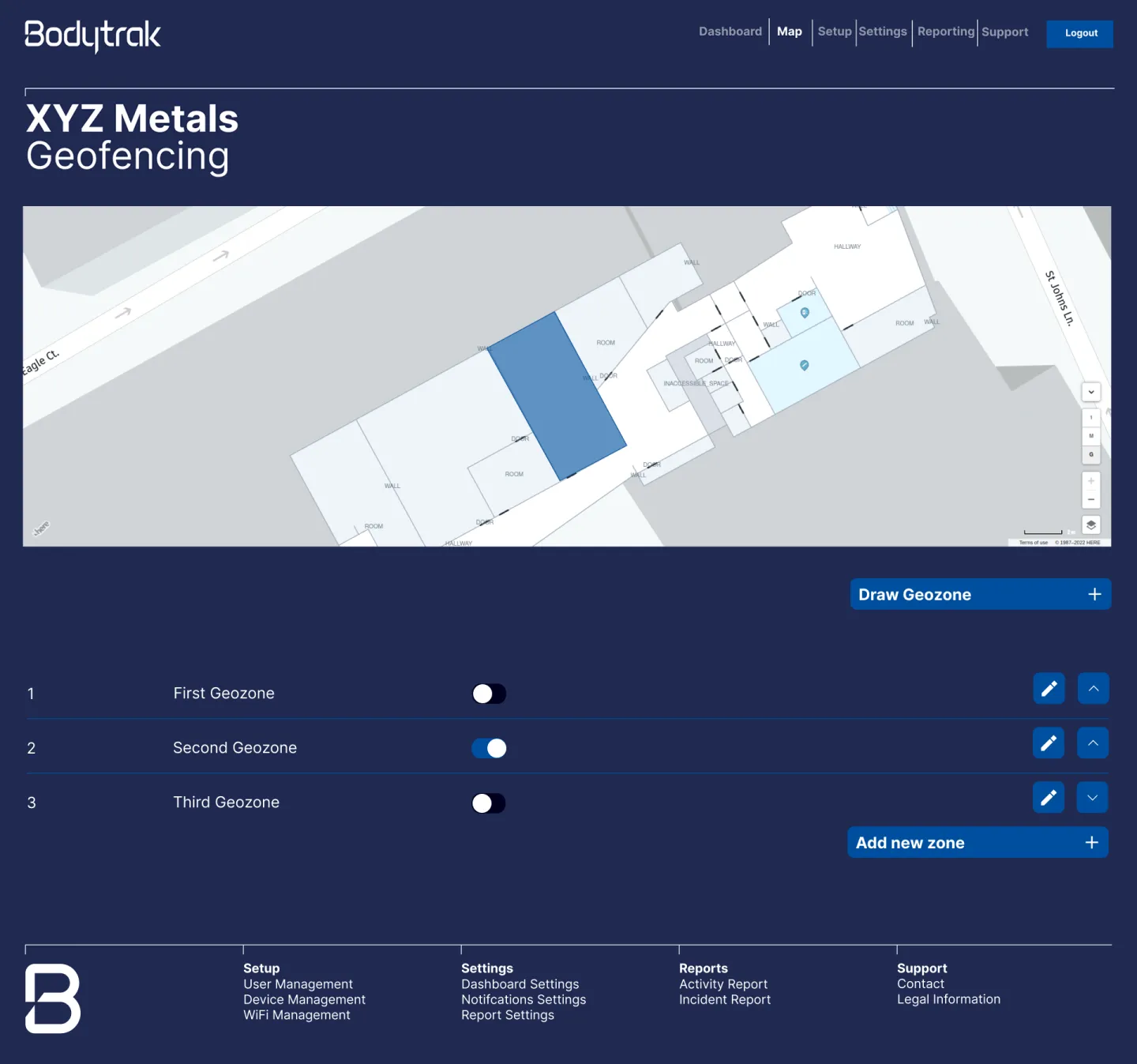
Geofencing is location-based technology that typically utilizes GPS, WiFi or RFID (Radio-Frequency Identification) technology. However, unlike geolocation that determines the exact location of a user, geofencing creates virtual boundaries between users and a physical area. This adds another layer of safety particularly in areas where access to hazardous areas must be controlled.
When a device, such as a wearable solution or smartphone, encroaches on preset boundaries, specific actions are triggered. These actions can range from sending notifications and monitoring movements to restricting access and ensuring safety compliance.
How is geofencing technology used?
In industrial environments where safety, efficiency, and accountability are paramount, geofencing is emerging as a game-changing tool. The ability to establish virtual zones in areas that may be deemed high risk or for specific activities, enables organizations to maintain oversight and improve safety measures, particularly in industries like construction, mining, and manufacturing.
The versatility of geofencing provides a wide range of opportunities for applications in the workplace from safeguarding employees to managing daily operations. Here’s how geofencing technology can be implemented across different industrial settings.
Hazard zone management
Geofencing allows employers to set virtual boundaries around hazardous areas. If a worker enters or exits these zones, alerts can be triggered to alert both the worker and employer. The ability to create virtual boundaries helps employees stay alert while mitigating the risks in hazardous and challenging environments where workers may be exposed to dangerous machinery, moving vehicles, toxic chemicals, or unstable structures.
Worker safety alerts
With the ability to trigger automatic alerts in real-time if a worker accesses an unauthorized area, this can prevent serious incidents. Geofencing technology can provide real-time data on location allowing early intervention, improving response times in case of emergencies.
Automated check-in
Previously when workers entered or left a worksite they may have been reliant on a manual process. Geofencing technology can help organizations simplify the process for monitoring attendance while reducing the chance of errors caused by manual input. Where timekeeping can be a complex task in organizations with large industrial sites and facilities, this could be really beneficial.
Compliance monitoring
In sectors where compliance with safety standards is crucial, geofencing can ensure workers only access authorized areas. For instance, geofencing can help ensure that only workers with specific training or certifications are allowed in high-risk zones. Any incursions can be logged and used for analysis and re-training, enhancing policies etc.
Visitor management
Geofencing can enhance visitor control, ensuring that guests to an industrial site stay within designated areas. Any unauthorized movement can be flagged, improving both security and safety.
Equipment and asset management
Employers can monitor high-value or critical equipment by setting geofences around specific tools or vehicles. If a piece of equipment leaves its designated area, management can be alerted instantly This helps prevent theft and ensures that assets are used correctly in the appropriate areas by authorized personnel.
Benefits of implementing geofencing technology in the workplace
Geofencing extends beyond creating virtual boundaries, when implemented correctly it can create a much safer and efficient workplace that benefits both employees and employers.
Enhanced safety measures
One of the primary advantages of geofencing is its ability to reinforce workplace safety. When workers are focused on the task at hand they can inadvertently enter unauthorized areas without the relevant personal protective equipment (PPE). With real-time monitoring and alerts, organizations can ensure workers follow safety protocol and prevent unauthorized access to dangerous areas. This can be crucial in industries with high injury rates.
Increased productivity and operational efficiency
With geofencing, time spent on manual supervision and monitoring can be significantly reduced. By automating notifications, check-ins, and compliance monitoring, workers can focus on their tasks without interruptions, boosting overall productivity.
Automating relevant processes like time tracking for check-in can reduce administrative burden. This allows employers to focus on core operations while ensuring safety and efficiency are maintained.
Accountability and transparency
Geofencing can provide detailed insights of employee movements which enhances transparency across the workforce. The data captured can be invaluable in post-incident investigations or audits, helping to pinpoint the root cause of issues or improve operational procedures.
Cost savings
By preventing unauthorized access, reducing theft, and improving compliance, geofencing can lead to significant cost savings. It also minimizes the potential for accidents, which can be costly in terms of medical expenses, lost time, and liability.
How geofencing can enhance lone worker safety
For industries where lone working is a more common occurrence, such as utilities, maintenance, and security, geofencing provides an important layer of safety and protection. Lone workers are often more vulnerable to incidents, health issues, or hostile interactions. By implementing geofencing technology organizations can mitigate these risks.
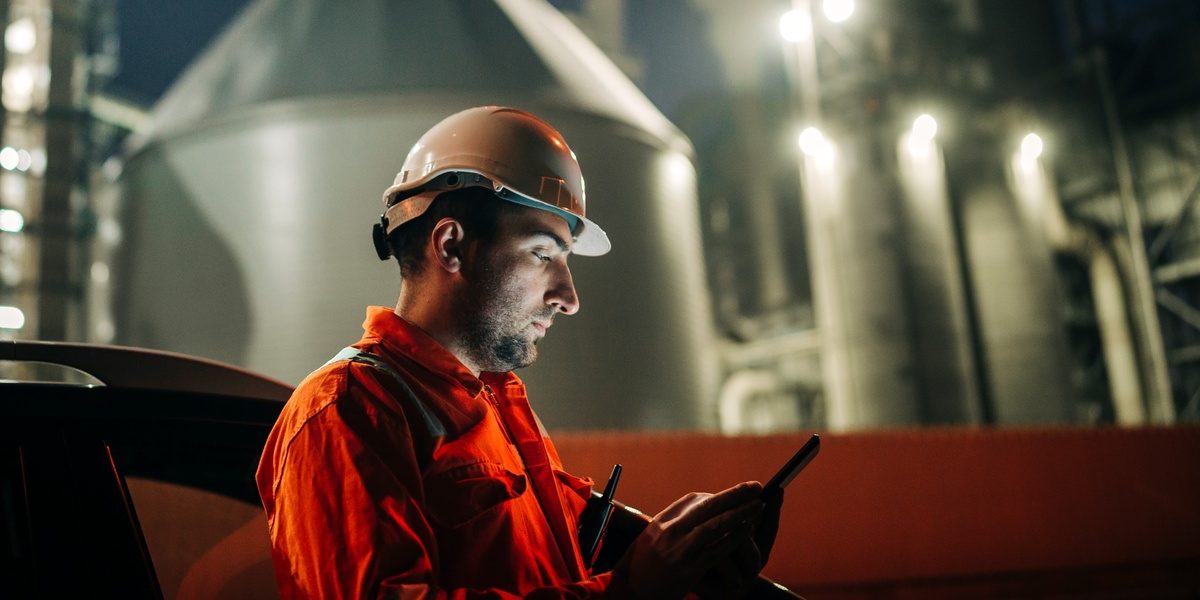
For instance, a night shift engineer working in a large industrial plant may leave a safe zone or enter an area deemed hazardous. Geofencing technology can trigger an automatic alert in real-time so that the worker can identify an unauthorized area and not enter before seeking further assistance. It can also act as a reminder that the lone worker should not access an area unless specific safety measures are taken. In the US the Bureau of Labor Statistics reports that contact with objects and equipment is the third leading cause of work-related deaths. This includes moving objects striking a worker or a worker being struck, caught or crushed in collapsing structure, equipment or material. With geofencing technology these risks can be mitigated.
Similarly, if a lone worker experiences an emergency such as a fall, geofencing combined with the man down feature from Bodytrak can immediately alert supervisors that the user requires assistance. Approximately one in five lone workers report struggling to get help when they’ve had an accident. The ability to implement geofencing technology can prevent incidents while also providing the ability to deploy rapid responses. When every second counts this can be life-saving, especially in remote or high-risk locations where help might not be readily available.
When lone workers are completing long shifts or working in isolated locations of industrial plants, the ability to automatically check-in when they enter or exit a geofenced area can enhance efficiency while also keeping them safe if an incident occurs. This removes the need for manual check-ins, which can be easily forgotten or missed, while being able to identify their whereabouts in case of emergencies.
Addressing the concerns of employees
It’s clear geofencing offers both safety and efficiency; however, with the introduction of anything new there may be concerns around privacy, surveillance and reliance on technology. It’s important for organizations to listen and address any concerns raised thereby fostering a culture built around trust and transparency.
Privacy and trust
One of the most common concerns with solutions that capture data is that they (like geofencing) could lead to excessive monitoring and infringement on the privacy of workers. Some employees may fear that their location information may be misused.
To overcome this, Bodytrak works with customers to clearly communicate the purpose of collecting each type of data and explain how it will be used. Workers need to understand that geofencing is used to ensure their safety and optimize operations, not as a tool to track every move. For instance, users and supervisors are only alerted if a worker has entered a restricted area or if another alert has been triggered and they require assistance.
Once workers have gone through training and had an opportunity to understand how geofencing will be implemented into the workplace as an added layer of protection, organizations can provide workers with the choice to opt into using the service.This can create a sense of autonomy and also create a shift in attitude.
Clear, consistent and open communication can often remove the fear of the unknown and address concerns before they escalate.
Surveillance
Workers may feel that geofencing could lead to micromanagement or unwarranted surveillance. The feeling of being constantly monitored could cause anxiety, which may harm workplace morale and even lead to reduced productivity. It’s important to have open dialogue with employees and allow them to voice their concerns. This shows that their opinions are valued.
By listening and understanding their concerns, organizations can address these by reinforcing the benefits that geofencing brings to the employee personally, such as triggering alerts when a worker enters a dangerous zone or when a lone worker needs assistance. By focusing on how the technology protects employees, the conversation shifts from surveillance to safety.
As an employer it is also important and a responsibility to avoid setting up geofences in non-critical areas or using them for non-safety-related tracking. Ensuring that geofencing only applies to safety-critical or operationally-essential areas builds trust with employees that it won’t be misused.
Technology dependance
Some workers may worry about the wearability of new technology or becoming over-reliant on it, undermining human judgment or creating barriers to flexible working. It’s important that new solutions complement and enhance existing processes rather than make workers feel like they are being replaced.
Organizations should select wearables that are comfortable and suited for the demands of the job. The solutions from Bodytrak are designed to be unobtrusive and reliable, even in challenging conditions. Ensure employees are included in trial periods where possible. That way the people that will be using the solution can test the technology to help ease them into the use of the device.
Incorporate worker feedback into implementations. Regularly ask employees if the technology is meeting their needs, or if it can be fine-tuned to avoid unnecessary disruptions while maintaining safety protocols. Workers should feel that their expertise and judgment remain valuable and that geofencing only adds another layer of protection.
Fear of disciplinary action
There may be concerns that geofencing data could be used for disciplinary action, such as when workers accidentally enter unauthorized areas or take an extended break.
Employers should reassure workers that geofencing data is intended to protect and not to penalize them. Employers should explain that the focus of data captured is to prevent incidents, respond to emergencies, and improve overall working conditions, rather than monitoring infractions.
Having clear, fair policies that define how geofencing data will be used can ease concerns. For instance, if a worker enters a restricted area unintentionally, the goal should be to understand the root cause and prevent it from happening again, rather than issuing immediate punishment.
How to build a positive culture around geofencing
It’s clear that trust and transparency is key to ensure workers feel comfortable when implementing new solutions such as geofencing. Taking the right steps to communicate the many safety benefits will also enhance and secure user compliance throughout an organization. Here are some suggested strategies to help streamline the process.
Involve workers in the decision-making process
Ultimately the employees will be the people using the solution, which is why they should be included in the discussion early in the process about implementing geofencing solutions. By doing this it fosters a sense of ownership and collaboration. A study found that 85% of workers attributed workplace failures to a lack of collaboration and ineffective communication. When employees feel that their input is valued, they are more likely to respond positively to adopting new technology.
Provide comprehensive training
Providing the right information about how geofencing works and why it is being implemented is crucial for acceptance. Training should cover how to fit any relevant devices correctly as this ensures maximum comfort and appropriate usage, what to expect in terms of any alerts and notifications and how geofencing will keep them safe.
Create clear, transparent policies
A survey highlighted that almost 100% of employees prefer workplaces where people identify and discuss concerns truthfully and effectively, yet less than half said their organizations do. Transparency in data collection and usage is key.
Employers should create clear policies that outline when and how geofencing will be used, and what data will be collected. Policies should also address worker privacy concerns, ensuring that personal data is protected.
Focus on long-term benefits
Geofencing is a long-term investment in worker safety and operational efficiency. Employers should communicate the long-term benefits, such as fewer accidents, improved emergency response times, and better overall working conditions, to get buy-in from the workforce
Continuous feedback and improvement
As with all technology it is constantly evolving, geofencing is no different. Organizations should regularly assess its impact and make relevant adjustments based on feedback they receive from employees. A study from Gallup found organizations with an emphasis on employee feedback have 14% higher employee engagement and 21% higher productivity. This shows that the company values worker input and is committed to improving their work environment.
Future of geofencing in industrial workplaces
The integration of geofencing technology into industrial workplaces is just the beginning. As technology continues to evolve, the possibilities for its application will expand, further improving workplace safety, efficiency, and compliance.
As industries adopt smarter, data-driven approaches to worker safety and operations, geofencing will become a prominent component in building safer, more resilient environments. By combining this technology into wearable safety solutions, like Bodytrak, organizations can mitigate multiple workplace hazards with one comprehensive solution rather than several different devices. This increases user compliance while continuously promoting a culture of safety and accountability.
As with the introduction of anything new there may be some concerns. It’s important organizations address these concerns upfront. By addressing any concerns raised, employers can foster a workplace culture where geofencing is seen not as an intrusive technology, but as a necessary tool for protecting workers and improving operational safety. With the right communication, training, and transparency, geofencing can enhance both worker safety and morale, ensuring a seamless transition into smarter, safer industrial environments.