Managing Fatigue, Heat Stress, and Mental Well-being in Fly-In, Fly-Out Workers: How Wearable Technology Provides a New Level of Support
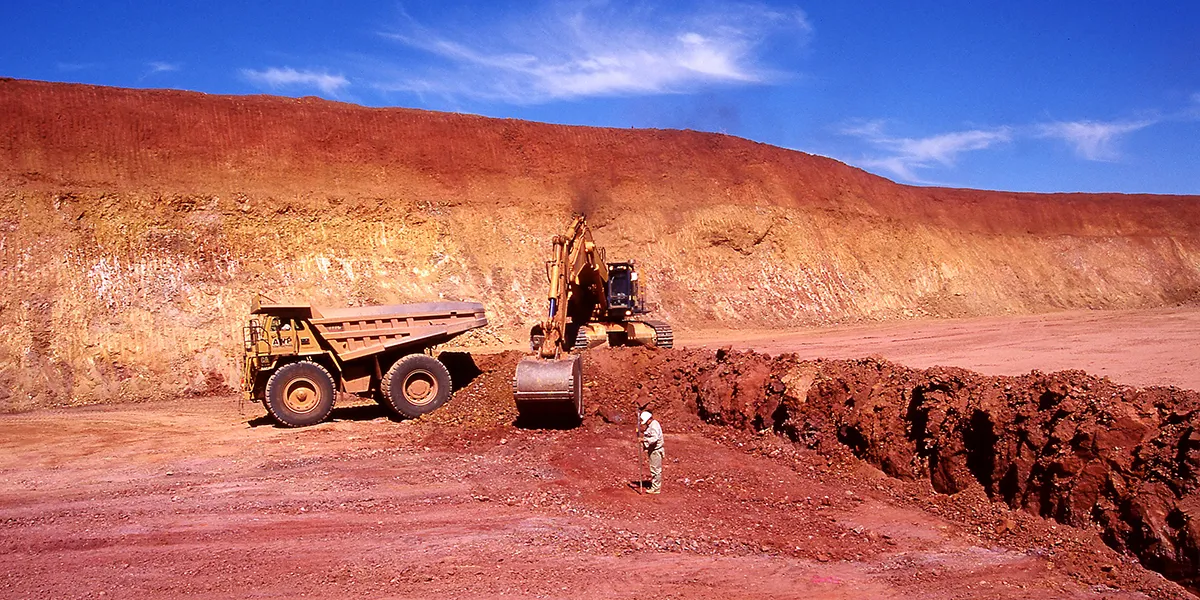
Industries across Australia rely heavily on Fly-In, Fly-Out (FIFO) workers, particularly sectors where remote working is common, such as mining and oil and gas. Like many workers in these sectors, FIFO workers are essential to the operations, often putting in long hours in harsh and hazardous environments. Despite their vital contributions, FIFO workers face many challenges, including exposure to extreme temperatures, extended work shifts, and prolonged periods of isolation from family and friends. These conditions increase the risks of heat stress, fatigue, and mental health issues.
With these risks on the rise due to climate change and the increasing demands on workers, it’s more important than ever to find effective solutions to protect the well-being of FIFO workers. Fortunately, advancements in wearable solutions are enabling companies to monitor the real-time and individualised physiological responses of their workforce, mitigating risks and ensuring a safer, healthier work environment.
This guide will explore how heat stress, fatigue, and mental well-being impact FIFO workers and how wearable technology can provide holistic support to manage these challenges.
What is a FIFO worker?
A FIFO (Fly-In, Fly-Out) worker is someone who is employed in a location that is remote or isolated, requiring them to fly to and from their work site rather than commute daily. According to recent statistics, there are approximately 60,000 to 100,000 FIFO workers in Australia.
FIFO workers typically work in industries such as mining, oil, gas, and construction, where work sites are far from major cities or residential areas. These workers stay on-site for a set period (such as a few weeks) before flying back home for a designated rest period, often referred to as their “roster” or “swing.”
This arrangement allows companies to staff remote locations without requiring workers to relocate permanently. As a result, the number of FIFO workers can fluctuate based on the sector and project demands.
What are the unique challenges of fly-in, fly-out workers
FIFO work arrangements are common in industries like mining, construction, oil, and gas. Remote locations present a range of health and safety concerns, largely due to the combination of extreme environmental conditions and the physical and psychological demands of the role.
Prolonged exposure to heat stress
Australia’s extreme climate, particularly in remote areas, can subject workers to dangerously high temperatures. Mining locations can be particularly hot, with temperatures in Western Australia reaching 50°C / 122°F. During the summer, temperatures in open cut mines can be 5 – 20°C / 41 – 68°F hotter than air temperature. With humidity, this can make temperatures feel well above 60°C / 140°F. With such high temperatures, heat stress is a serious challenge.
Prolonged exposure to high temperatures can lead to dehydration, heat exhaustion, heatstroke, and even death. The physical toll that heat stress takes on the body can also impair cognitive function, making workers more prone to incidents and errors. According to the World Health Organization, heat stress is the leading cause of weather-related deaths and can exacerbate underlying illnesses including cardiovascular disease, diabetes, mental health and asthma, and can increase the risk of accidents and transmission of some infectious diseases. In Australia, between 2009–10 and 2018–19, there were 1,774 workers’ compensation claims for heat-related illnesses, with 95% of those claims due to working in the sun.
For FIFO workers, heat stress can be even more challenging. They are often required to work long hours in direct sunlight, with limited access to shade or cooling facilities. Additionally, the remote nature of their work sites means that access to medical support may be delayed, making it critical to prevent heat-related incidents before they become life-threatening.
The impact of fatigue on worker safety
Fatigue is another significant issue facing FIFO workers. Extended shifts, long hours, and the repetitive nature of the work can lead to physical and mental exhaustion. Fatigue is particularly dangerous in high-risk environments like mines and construction sites, where alertness and quick decision-making are crucial for safety. In fact, a report published by Monash University, stated that approximately 10,000 serious workplace injuries in Australia each year are caused by fatigue. This costs Australian businesses over $5 billion annually.
For FIFO workers, fatigue is not just the result of long working hours. It is also exacerbated by the isolated nature of their work and the disruption to their sleep patterns caused by living away from home for extended periods. Research has shown that FIFO workers often struggle to maintain regular sleep schedules, which can lead to chronic fatigue and reduce their overall job performance. For instance, studies conducted on workers in Western Australia found that FIFO workers on mine sites have a 20% reduction in alertness due to lack of sleep . The physical demands of the job, combined with the mental strain of isolation, create the perfect storm for fatigue to set in.
Mental health challenges: Isolation and loneliness
In addition to the physical dangers posed by heat stress and fatigue, FIFO workers face unique mental health challenges. Being away from home for extended periods can lead to feelings of isolation and loneliness, which, over time, can contribute to anxiety, depression, and other mental health disorders. Reports by the Western Australian Mental Health Commission found that FIFO workers are more likely to experience mental health issues compared to non-FIFO workers, with 33% reporting high and very high levels of psychological distress.
The isolated nature of FIFO work means that workers often lack access to the same social and emotional support networks they would have at home. Many FIFO workers report feeling disconnected from family and friends, which can lead to a decline in mental well-being. Additionally, the work itself can be isolating, as workers often spend long hours working alone or in small teams with limited social interaction. All these elements combined with prolonged heat exposure and fatigue only exacerbate the challenging mental health conditions.
Addressing these mental health challenges is crucial, not only for the well-being of the workers but also for maintaining productivity and reducing turnover. Workers who experience mental health issues are more likely to take time off work, which can lead to increased absenteeism and a reduction in overall productivity.
The role of wearable technology in addressing FIFO worker challenges
Given the significant risks associated with heat stress, fatigue, and mental well-being, employers need to adopt proactive measures to safeguard their FIFO workforce. The ability to capture real-time and accurate insights for each individual worker is revolutionising workplace safety, but not just for FIFO workers. With the ability to access reliable data, wearable solutions are fast becoming one of the most effective tools to monitor the health and well-being of the remote workforce. Bodytrak® is a wearable solution that offers a comprehensive approach to employee health and safety by monitoring key physiological responses such as core body temperature, heart rate and physiological strain.
Heat stress monitoring and prevention
One of the most critical applications of wearable technology is in the monitoring and prevention of heat stress. Bodytrak continuously monitors a worker’s core body temperature, providing real-time data on their body’s response to heat. If the device detects that a worker’s core body temperature is rising to levels that can put them at risk, it triggers an alert to both the worker and their supervisor, allowing them to take immediate action or provide early intervention through various cooling techniques.
This real-time monitoring is particularly valuable in FIFO environments, where workers may not always be aware of the early signs of heat stress or new FIFO recruits who have not completely acclimated to the conditions. By providing continuous feedback on their physiological condition, wearables help workers manage their exposure to extreme temperatures and reduce the risk of heat-related illnesses.
Furthermore, a wearable like Bodytrak that provides accurate insights can help employers identify patterns of heat exposure across their workforce, allowing them to implement better heat management strategies, such as adjusting work schedules to avoid the hottest parts of the day or providing additional cooling equipment.
Fatigue management and early intervention
Wearable technology is also playing a crucial role in managing worker fatigue, which was once difficult to determine. Bodytrak monitors the wearer’s heart rate variability (HRV), which is a key indicator of fatigue. By monitoring HRV, both users and supervisors can be alerted when a worker is at risk of fatigue, long before they show any physical signs such as eye blinking or microsleeping, which is often too late.
Early intervention is essential in preventing accidents and injuries caused by fatigue. When a worker receives an alert indicating that they are excessively fatigued, they can take a break or adjust their workload to prevent exhaustion from leading to more severe consequences.
For employers, this data is invaluable for managing worker schedules and ensuring that employees are not being overworked. By monitoring fatigue levels across the workforce, employers can adjust shift patterns, introduce micro-rest periods, and implement other fatigue management strategies to keep workers safe and productive.
Supporting mental well-being by monitoring physiological stressors
Bodytrak does not directly monitor mental health, however, organisations should not underestimate the critical role it can play in supporting mental well-being by monitoring key physiological stressors like heat stress and fatigue. While they both have physical consequences, heat stress and fatigue also significantly impact mental well-being, especially when it comes to cognitive function and emotional resilience.
The connection between heat stress and mental well-being
Prolonged exposure to extreme temperatures not only takes a toll on the body but also affects cognitive function and emotional stability. Studies have shown that heat stress can impair decision-making, increase irritability, and reduce concentration, all of which contribute to mental strain.
When workers are physically stressed by heat, they are more likely to experience heightened levels of frustration, anxiety, and even depression, particularly if they are in isolated or high-pressure environments, such as remote FIFO worksites.
Bodytrak’s ability to monitor core body temperature in real time allows organisations to manage heat exposure proactively. By preventing heat stress through timely interventions — such as adjusting workloads or encouraging hydration and rest breaks — employers can indirectly reduce the mental strain workers experience. When workers feel physically well and protected from environmental hazards, they are less likely to suffer from the cognitive and emotional effects of heat stress.
Fatigue’s impact on mental health
Fatigue has well-documented effects on mental health, including increased risk of anxiety, depression, and cognitive impairment. FIFO workers, who often face long hours and irregular sleep patterns, are particularly vulnerable to fatigue, which can erode mental resilience over time. Fatigue not only decreases alertness and physical performance but also exacerbates feelings of isolation and loneliness, further impacting mental well-being.
By monitoring fatigue indicators like heart rate variability (HRV) and exertion levels, Bodytrak offers valuable insights into a worker’s physical state. This data allows employers to intervene before fatigue becomes a serious issue — by adjusting shift patterns or allowing micro-rest periods. Managing fatigue at this level reduces the mental toll on workers, helping them maintain higher levels of concentration, mood stability, and overall mental well-being.
While Bodytrak doesn’t directly monitor mental health, it provides the tools to address the physical factors that can significantly impact a worker’s psychological state. By mitigating the effects of heat stress and fatigue, Bodytrak supports a healthier, more resilient workforce — both physically and mentally.
Legal and financial benefits of implementing wearable technology
Incorporating wearable technology into safety protocols for FIFO workers not only enhances worker safety but also offers legal and financial benefits for employers. Under the Work Health and Safety Act 2011, employers in Australia are legally required to ensure the health and safety of their workers, including those in FIFO arrangements. This duty of care extends to both physical and mental health, and failing to address risks such as heat stress, fatigue, and mental health issues can result in significant legal consequences.
By adopting wearable technology, employers can demonstrate that they are taking proactive steps to protect their workforce, which can help mitigate the risk of legal action in the event of an incident. Additionally, the real-time data provided by wearables can serve as evidence that an employer has implemented appropriate safety measures, further reducing legal liability.
From a financial perspective, wearable technology can help employers reduce costs associated with workplace accidents, absenteeism, lost productivity, and employee turnover. By preventing heat-related illnesses, fatigue-related accidents, and mental health issues, wearables can reduce the number of workers’ compensation claims and improve overall productivity. In the long run, investment in wearable technology can lead to significant cost savings for employers, while also enhancing worker satisfaction and retention.
Creating a safer future for FIFO workers
As the demands on FIFO workers continue to grow, it is essential for employers to adopt innovative solutions to protect the health and well-being of their workforce. Heat stress, fatigue, and mental well-being are interconnected challenges that require a comprehensive approach to worker safety. Wearable technology offers a powerful tool for addressing these challenges, providing real-time monitoring and early intervention to prevent incidents and improve worker health.
By investing in wearable technology, employers can ensure that their FIFO workers are not only safe but also supported in maintaining their physical and mental well-being. This proactive approach to safety not only helps employers meet their legal obligations but also enhances productivity, reduces costs, and fosters a healthier, more engaged workforce.