Understanding Deadly Heat Limits: Implications for Industrial Workers

As climate change pushes global temperatures higher, the world is grappling with an increase in the frequency of extreme heat events. A recent world-first study in Australia is testing the physical limits of human survival under extreme heat and humidity. This offers critical insights that could help shape workplace safety in industrial environments. While these findings highlight how heat stress affects workers, it also underlines the importance of individualized monitoring as some groups can be at a much greater risk than others.
Key findings from the study on heat limits
The study from the University of Sydney is unique in its approach to understanding heat limits as it focuses on the physiological responses to extreme environments. Previous models theorized that humans could endure temperatures up to 35°C / 95°F (wet-bulb temperature). According to the original study, anything above that is not survivable; however, this experiment has revealed that the actual tolerable thresholds may be much lower than initially thought. Wet-bulb temperature accounts for both heat and humidity. It is this metric that provides an understanding of how deadly environmental conditions can become. Once the body can no longer cool itself through various thermoregulation mechanisms, such as sweating, it risks overheating, organ failure, and in very serious cases, death.
When humidity is high, the air is full of moisture, this makes it hard for the sweat to evaporate which means cooling is less effective, or not effective at all. While the body is sweating as much as it can, it’s not enabling the body to cool down and just sits on the surface of the skin.
The study found that in a very hot and dry environment, when the wet-bulb temperature is 35°C / 95°F, the body sweats profusely; however, it is not enough to sustain the heat-loss required. This indicates that the wet-bulb temperature thresholds that could be endured by humans is lower than first thought when the humidity is low.
The findings also suggest that older people are unable to endure high temperatures with low humidity levels compared to younger, healthier people, as a result of the impaired thermoregulation seen in older age.
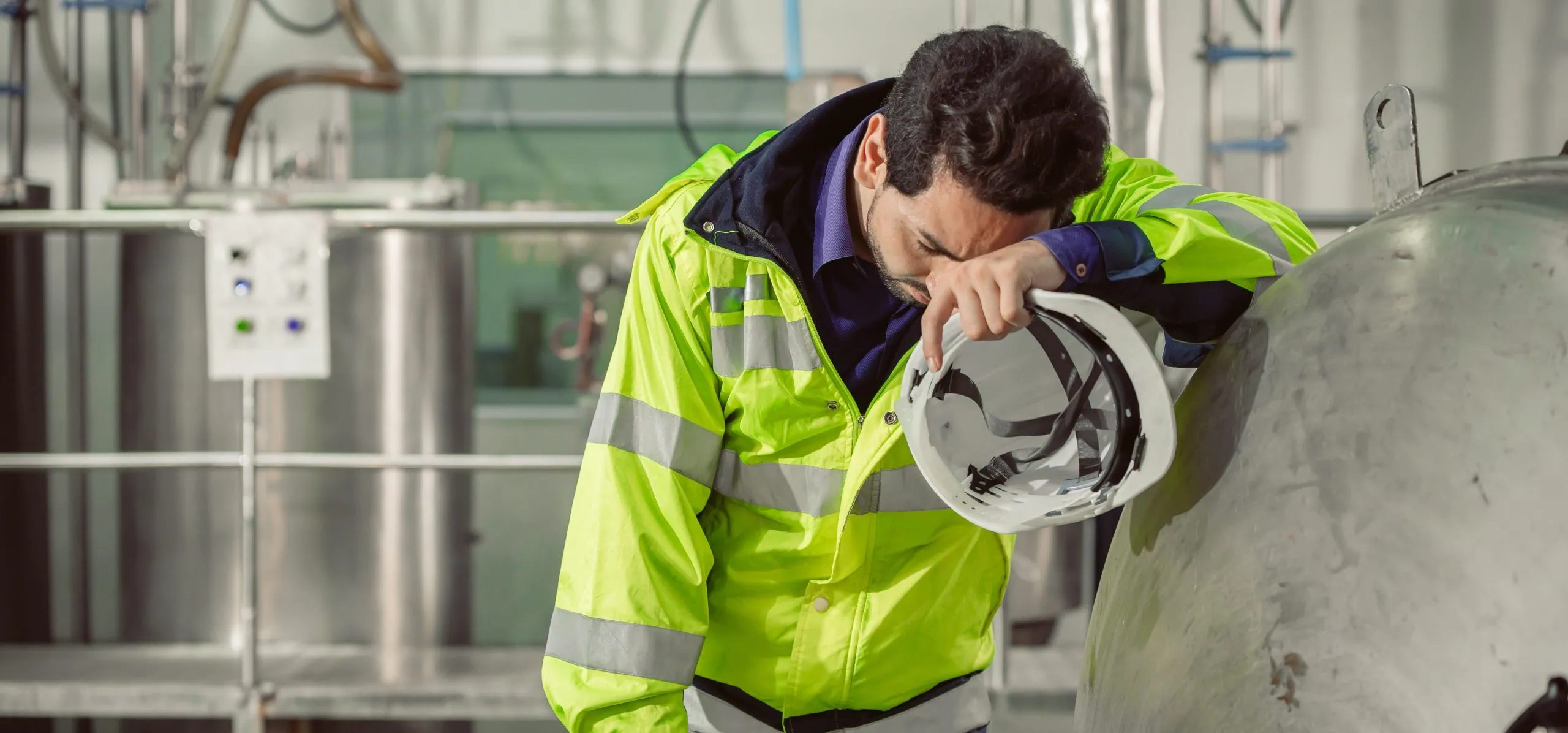
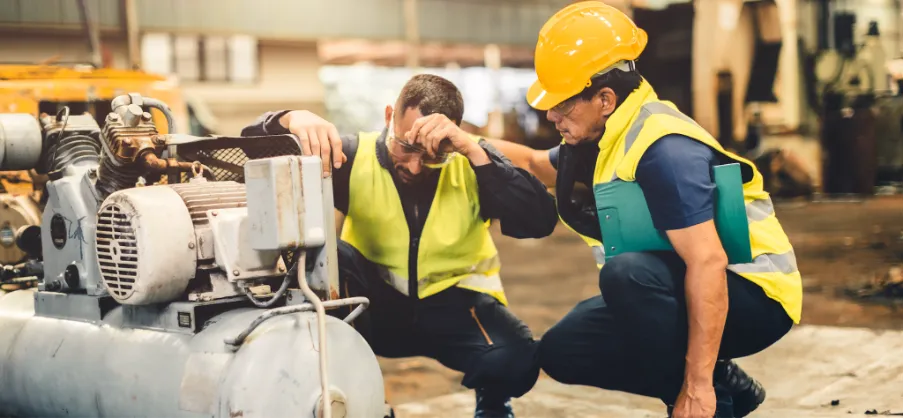
In practical terms, this means that even before these extreme thresholds are reached, heat stress can already be causing harm. The implications for industrial workers — who often work outdoors or in poorly ventilated spaces with constant physical exertion — are significant.
It’s important to consider each individual’s physiological response. Real-time individualized monitoring takes account of all variables, like wet-bulb temperature, age, acclimation level, and so on, as the effects of all variables will manifest in the changing physiology of a worker. As heatwaves become more frequent, understanding how workers respond to these conditions is critical to ensuring their safety.
Alarming statistics: A growing threat
The scale of the problem is staggering. A 2023 report by the United Nations University – Institute for Environment and Human Security revealed that 30% of the global population is currently exposed to deadly heat for at least 20 days a year, a figure expected to rise to 74% by 2100.
Furthermore, the International Labour Organization (ILO) estimates that, by 2030, productivity losses due to heat stress could equate to 80 million full-time jobs, costing the global economy US $2.4 trillion. These statistics highlight the urgent need for targeted intervention in the workplace where employees are particularly vulnerable.
What this means for workers in industrial environments
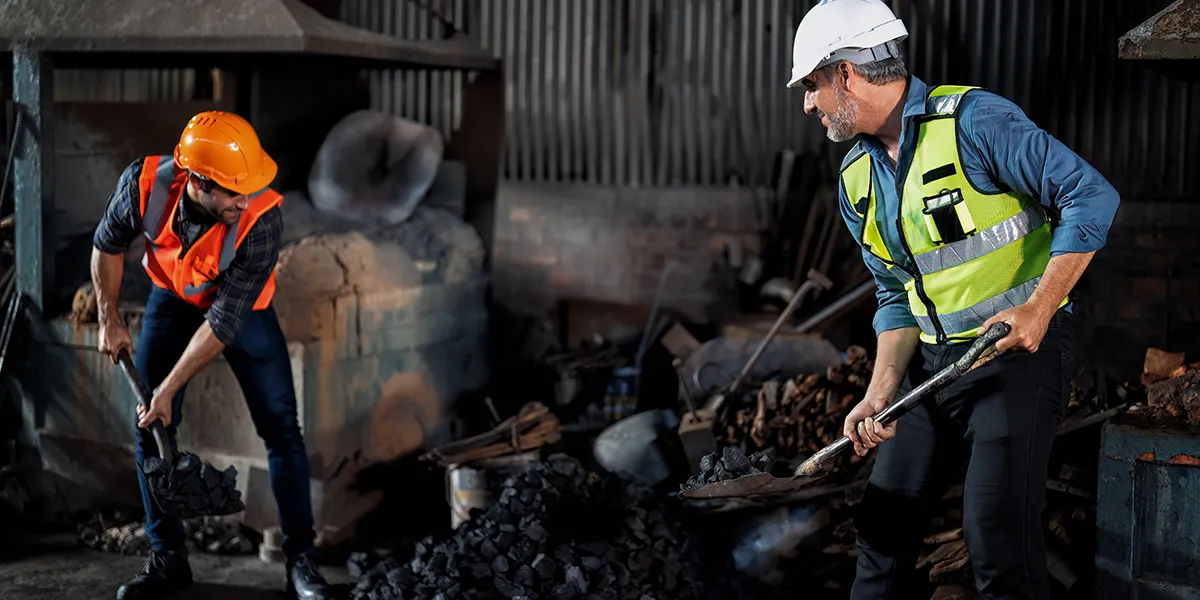
For industrial workers, who are already exposed to physically demanding conditions, extreme heat adds another layer of risk. Studies show that 2% of total work hours worldwide are already lost annually due to heat stress. For industries such as construction, agriculture, and mining, these numbers are even higher. The nature of the work in these sectors often requires prolonged exposure to direct sunlight or higher indoor temperatures, making workers susceptible to heat-related illnesses such as heat exhaustion and heat stroke. In fact, a study led by the University of New Mexico highlights that construction workers are 13 times more likely to suffer fatalities related to heat-related illnesses than the general population, whereas farm workers have an even greater risk being 35 times as likely to die of heat exposure.
These alarming figures illustrate the importance of addressing heat stress in the workplace and why it must be an urgent priority for organizations around the world. Jobs that require physical exertion, such as construction or agriculture, amplify the risks as these workers are often outdoors for extended periods, exerting energy in environments that may lack infrastructure to enable workers to cool down effectively when necessary.
The consequences of ignoring these risks are becoming better understood. Heat stress can lead to decreased productivity, cognitive impairment, and even fatal accidents on-site. Since employees in these industries often face continuous exposure over time, the cumulative effects of heat stress can also result in long-term health issues and even reduce heat tolerance, making early and accurate detection critical.
The role of individualized monitoring in preventing heat-related illnesses
In light of these findings, individualized physiological monitoring becomes more crucial than ever. A one-size-fits-all approach to heat stress prevention can be insufficient when different workers have varying levels of tolerance to increasing temperatures. Factors such as age, weight, pre-existing medical conditions and medication being consumed all affect how an individual copes with heat. For instance younger workers with no underlying medical conditions may be able to handle higher temperatures better compared to an older worker or someone with a cardiovascular condition that might be more vulnerable even at milder temperatures.
Innovative solutions, such as real-time core body temperature (CBT) monitoring from Bodytrak®, offers a solution by providing continuous, personalized insights on each individual worker’s physiological responses to heat and other hazardous and challenging conditions. By monitoring CBT, heart rate, and other physiological responses, organizations can set customisable thresholds for workers. This means that real-time alerts are triggered for both the user and supervisors when a worker approaches dangerous levels putting them at risk of heat-related illnesses, allowing for timely intervention before the situation becomes life-threatening. In hazardous environments, geofencing can be used for zonal control, whereas for lone workers, geolocation can be activated when a physiological or SOS alert is triggered, allowing for immediate support to be deployed in a timely fashion.
Why age-specific thresholds matter
Age is a vital factor in how well the body responds to extreme heat. Older adults often have a diminished ability to regulate their core body temperature due to factors such as reduced sweating, blood flow to the skin, cardiovascular function and/or presence of chronic diseases. According to data in the UK, 2,117 over-65s died in England during the five warmest periods during the summer of 2023. This accounted for 92% of fatalities that summer that were related to the escalating temperatures.
This makes it essential to have an approach that allows for greater customisation for each worker, such as setting lower heat stress thresholds for aging workers. An individualized monitoring solution that considers these variables and can be adjusted based on the user’s profile, ensures they receive the necessary alerts before conditions become critical.
The ability to monitor individual physiological responses in real-time means safety interventions are more targeted and effective as it already considers the other contributing factors such as age or acclimatization levels. Ultimately this proactively reduces the likelihood of heat-related illnesses and fatalities in industrial environments. In essence, one-size-fits-all policies that can be reliant on ambient temperatures only, fail to account for the diverse needs of the workforce, whereas individualized monitoring empowers organizations to protect the health and wellbeing of each worker.
Preparing for a hotter future
With rising temperatures set to expose more workers to dangerous conditions, adaptation strategies are crucial. In industries that depend on outdoor labor, such as agriculture, construction, or energy production, the ability to mitigate heat stress through proactive monitoring and individualized safety plans will be key to maintaining productivity and worker safety. As climate change accelerates, the demand for adaptive workplace practices that prioritize health and safety will only grow.
The research highlights the important need for organizations, governing bodies and policy makers to rethink what “safe” working temperatures look like, particularly in hot and humid environments where traditional or natural cooling methods may no longer be enough.
Conclusion
The findings from the study led by the University of Sydney make it clear: heat stress thresholds are lower than previously thought, and for industrial workers, this means increased risk. However, this doesn’t mean that workers can’t be kept safe. Solutions that provide real-time individualized monitoring, such as those offered by Bodytrak, provide an opportunity to effectively adapt and safeguard diverse teams.
Early intervention based on real-time physiological responses is essential for preventing heat-related illnesses and deaths. As climate change continues to exacerbate extreme heat events, the need for proactive solutions in workplace health and safety has never been more urgent.