Turning Insights into Action: Dive into Bodytrak’s Automated Reporting

The need to understand the intricacies of workplace safety is becoming a more and more important priority for organisations. This is particularly evident in high-risk environments, where factors such as heat stress, fatigue, and hazardous conditions can lead to severe consequences. The advanced smart safety solutions from Bodytrak® help to mitigate many of these risks by monitoring the physiological responses of workers in real-time and enabling intervention. They also enable the automatic generation of detailed reports, empowering organisations to take proactive measures towards a future of predictive safety.
Expanding on previously discussed topics, ““Data to Redefine Safety Management” and “The Role and Benefits of Data for Employee Safety”, this blog explores the power of these reports, driven by data analysis and AI techniques. Bodytrak’s Senior Physiologist, James Davis, describes how the solutions from Bodytrak contribute to enhancing safety and operational efficiency.
Why data matters in workplace safety
A study from S&P Global Market Intelligence highlights that 96% of respondents feel access to accurate data is critical, especially during the decision making process. While data has now become key in a lot of processes, real-time data is invaluable in identifying risks and preventing incidents before they occur.
The automated reports available via Bodytrak consolidate individual users and team data into actionable and digestible insights, enabling organisations to adapt their practices based on objective evidence. The reports facilitate a shift from reactive to proactive safety management; reducing risks and ensuring employee well-being by highlighting recurring patterns and empowering organisations to take evidence-based action to prevent incidents.
Data as a tool for cultural change
Data is more than a tool for risk management; it’s a catalyst for cultural change within organisations. By providing transparent and actionable insights, the automated reports from Bodytrak foster greater trust between workers and an organisation, as employees see tangible efforts being made to protect their well-being. Transparency builds confidence, showing that safety isn’t just a compliance requirement but a core organisational value. A survey by Gallup found that companies prioritising employee well-being saw a 41% reduction in absenteeism and a 17% increase in productivity, highlighting the positive impact of fostering a safety-first culture.
Continuous monitoring and reporting also signal a long-term commitment to worker safety, going beyond immediate incident prevention to address systemic risks. Organisations that adopt these practices are better equipped to meet stringent regulatory standards and align with broader Environmental, Social, and Governance (ESG) goals. By demonstrating a proactive approach to health and safety, companies not only protect their workforce but also enhance their reputation, making them more attractive to both investors and employees.
Breaking down the reports available from Bodytrak: Insights and applications
Number of alerts: A barometer for risk
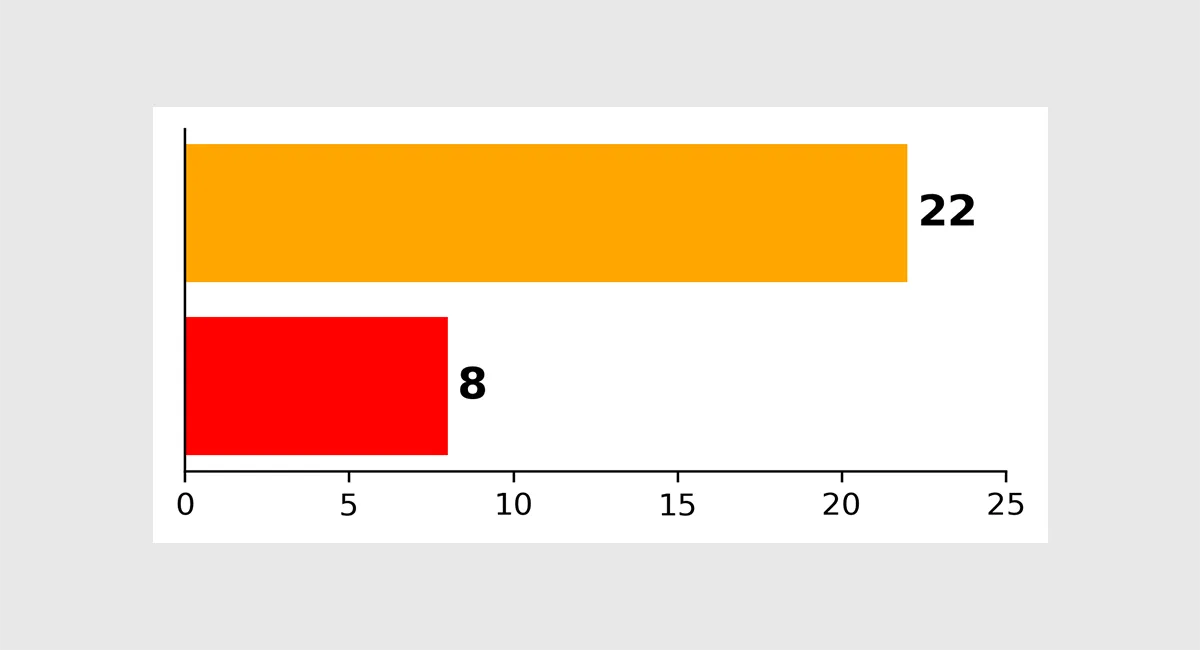
The Bodytrak Platform indicates two main alert states; amber and red. The amber alert represents the user has deviated out of the set normal parameters. It serves as a warning that a user is at moderate risk of an adverse health event. The red alert indicates that a response is required immediately, based on internal policies. This illustrates the user has exceeded the upper preset threshold and action should be taken.
James Davis, Senior Physiologist at Bodytrak says, “By monitoring alert trends and understanding the number of alerts raised, organisations can identify the departments and/or roles that are experiencing higher temperatures, fatigue or lifting strain. With this knowledge, targeted interventions can be implemented, including adjusting workloads or improving environmental conditions. When new strategies are implemented the data can then be used to track the effectiveness of these interventions and changes over time. Consider a specific department within a large metal extrusions organisation that are consistently triggering alerts. From this data further investigation might reveal the need for additional cooling solutions that are more accessible, shielding for excessive heat or modified shift patterns.”
Time spent in alert zones: Contextualising risk
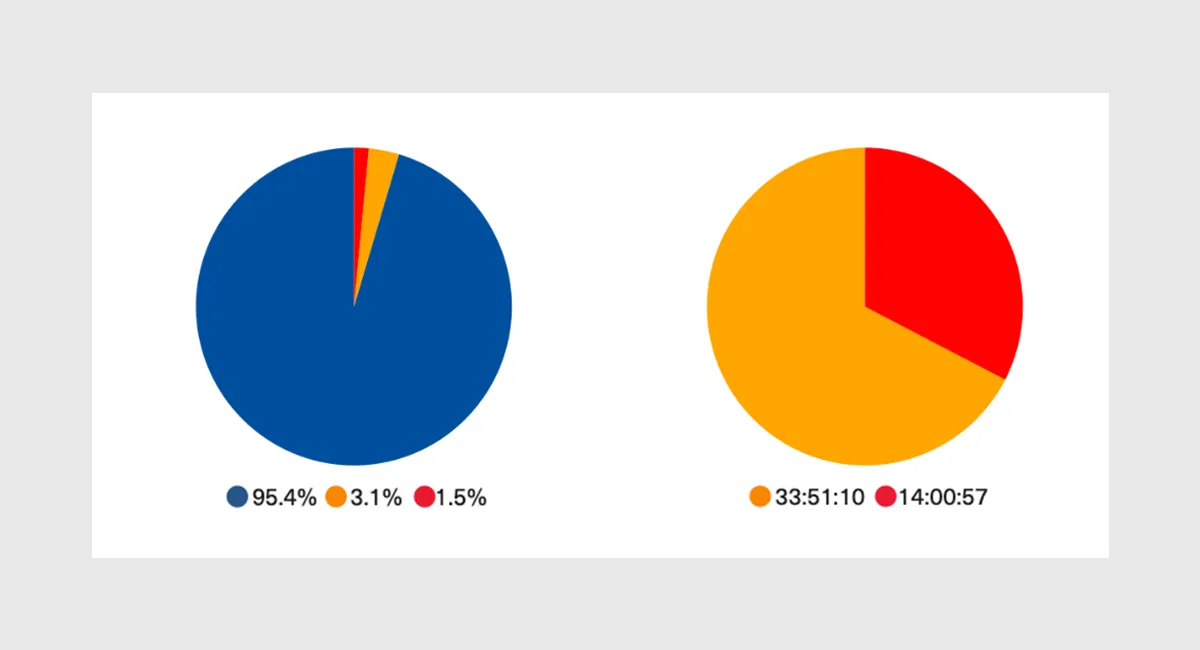
While the number of alerts provides an overview, the time spent in amber or red zones offers deeper context. This metric helps assess the cumulative impact of workplace risks, such as heat stress, fatigue and lifting strain. For instance, short periods in the amber and red zones might indicate manageable risks while prolonged exposure in red zones highlights severe hazards, necessitating immediate action.
According to Davis, regular exposure, even in amber zones, can contribute to long-term health issues especially when it comes to heat stress. A study published in the Sage Journal for Workplace Health and Safety found that the incidence of acute kidney injury increased by 18% for every 1°C rise in temperature on the same day. By using the Bodytrak data, organisations can correlate this data with task logs to identify trends, such as determining whether specific tasks contribute to extended time in alert zones.
Average team maximum core body temperature (CBT), fatigue or lifting strain: Identifying peak risk days
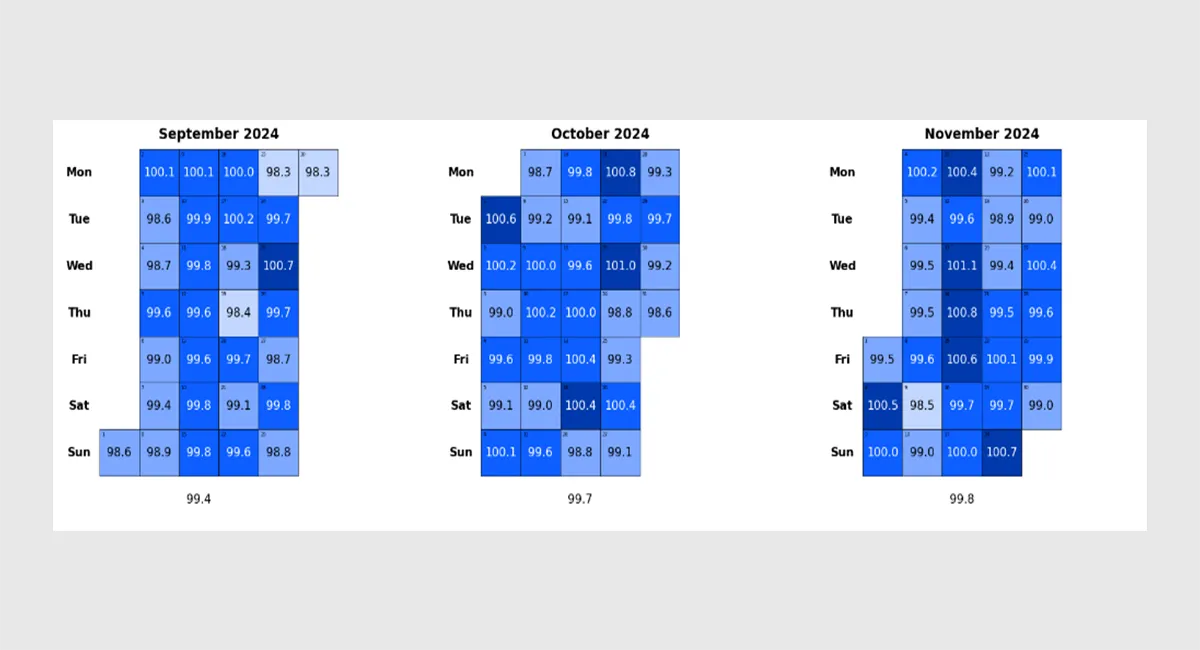
The team average of each individuals highest CBT, fatigue or lifting strain values across days provides critical insights. It highlights days with greater or extreme strain. By highlighting any days with anomalies these can be investigated further to reveal contributing factors such as weather conditions, equipment malfunctions or operational changes.
Davis highlights, “If organisations can identify days with elevated CBT, or other metrics, then they can determine the causes and implement measures such as extra breaks for hydration or temporary task reallocation to prevent it occurring in the future. Over time, reviewing monthly averages can validate the effectiveness of these interventions.”
Weekly team trends: Measuring the impact of interventions
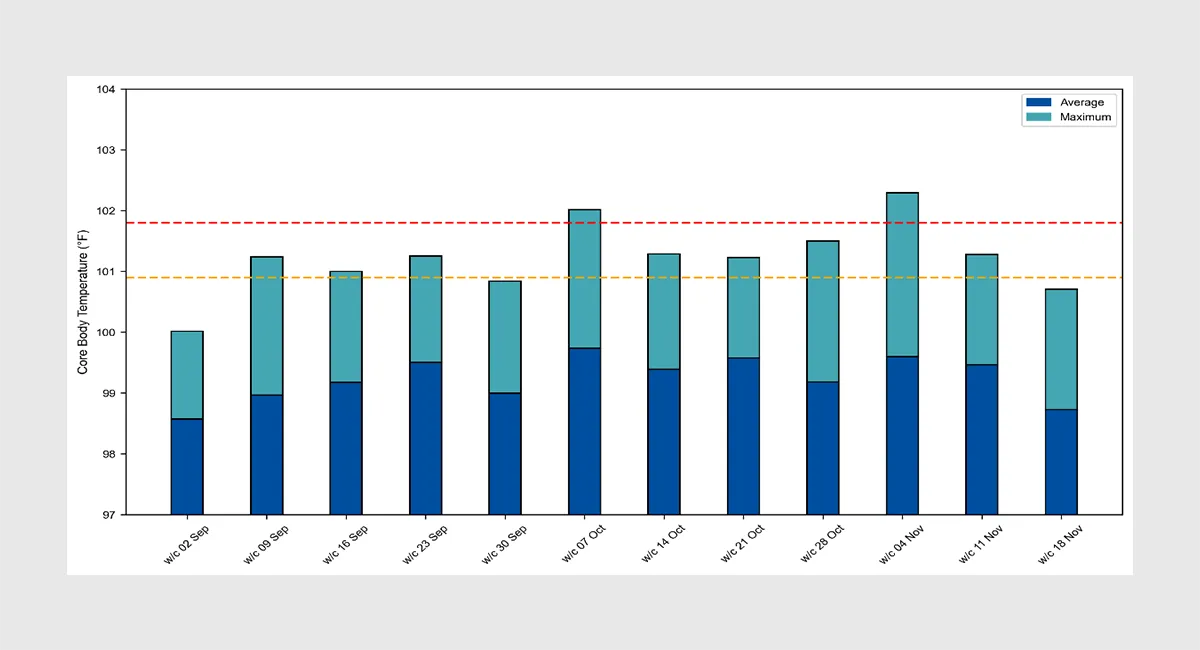
Weekly trends demonstrate how the team’s physiological responses evolve over time. These patterns can highlight improvements following new safety measures and identify persistent risks requiring further adjustments.
For instance, if weekly fatigue values drop after adjusting shift patterns or tasks performed at certain times of the day, it can indicate the success of a new strategy. Conversely, unchanged trends might signal the need for additional strategies.
Time of day trends: Tailoring shift patterns
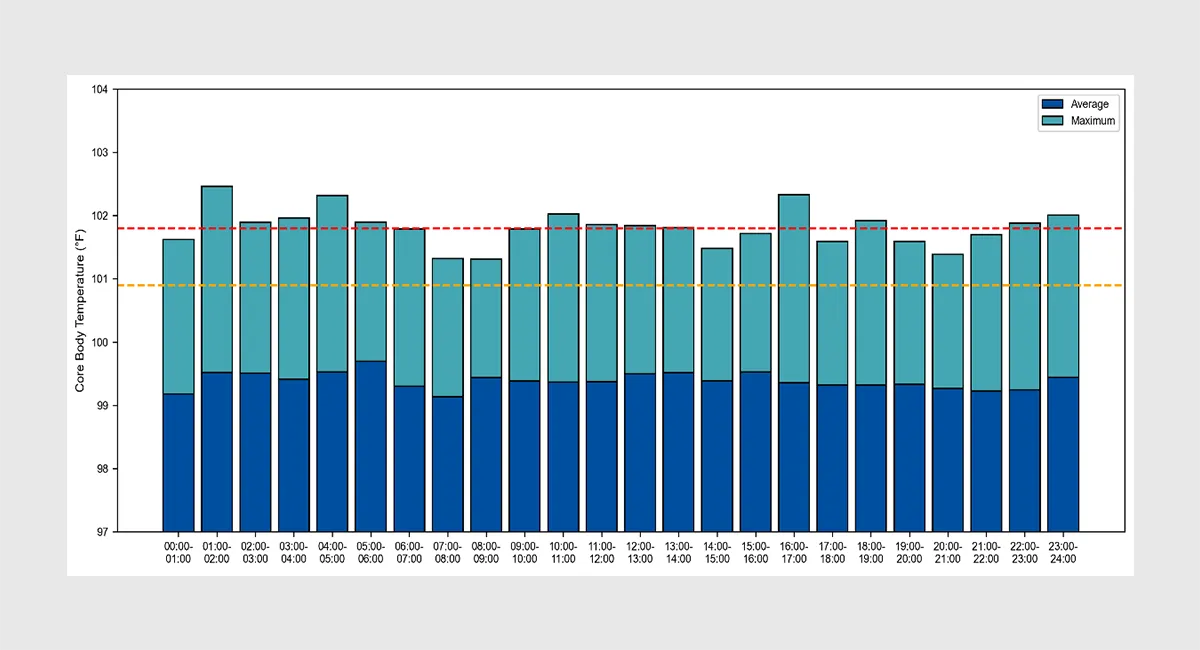
This section of Bodytrak’s automated reports offers a detailed look into how physiological stress fluctuates throughout the day. This data is instrumental in identifying the hours when workers face the greatest strain, enabling organisations to make informed decisions about shift patterns and break schedules. By pinpointing peak stress periods, organisations can implement strategies that directly support worker safety and well-being.
Davis explains, “If the data consistently shows a rise in CBT during the afternoon, it signals the need to adapt schedules. Staggered breaks or additional hydration support during these hours can help workers recover before heat stress escalates. Similarly, monitoring teams more closely during these high-risk periods ensures that any signs of strain are addressed promptly.”
Tailoring shift patterns based on these insights also boosts operational efficiency. For instance, by scheduling intensive tasks during cooler periods or introducing rest intervals around high-stress times, organisations can reduce fatigue, minimise incidents, and sustain productivity. Proactively using this data to optimise daily schedules not only protects workers but also enhances their capacity to perform safely and effectively.
Individual daily plots: Personalised Insights
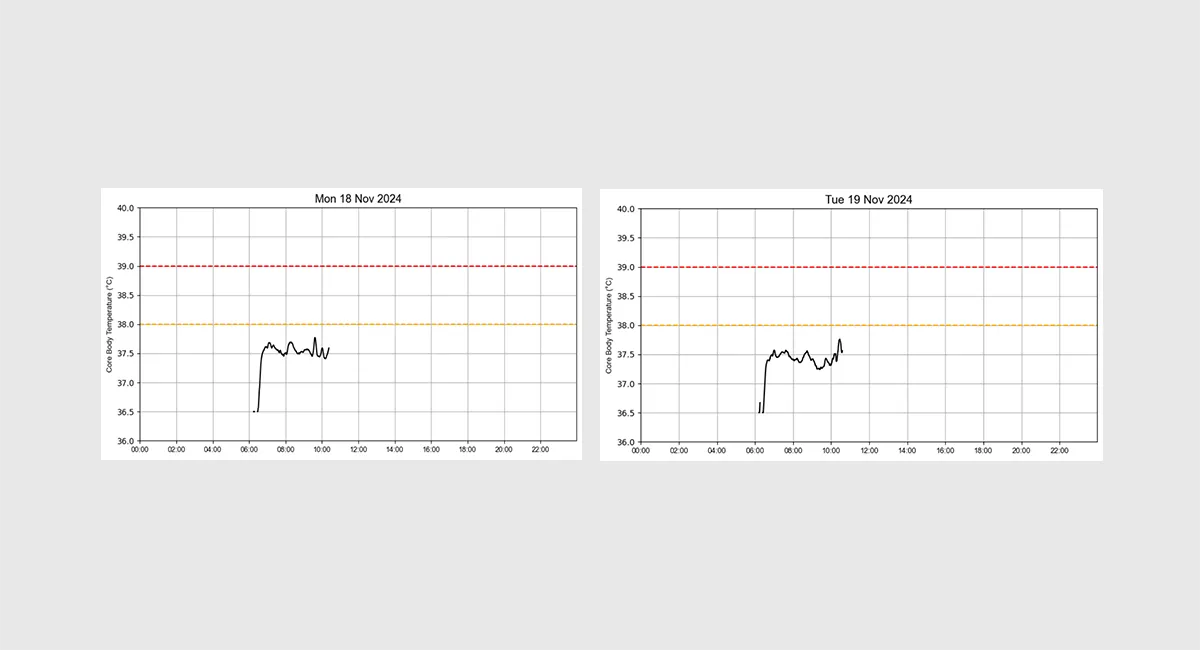
While team-wide data highlights overall trends, individual daily plots provide a granular perspective on worker safety. These plots map out fluctuations in CBT or fatigue levels throughout a shift, offering a detailed view of each worker’s physiological response. Sudden spikes in CBT or significant drops in energy levels may point to specific incidents or challenges, such as strenuous tasks or inadequate breaks. Consistent patterns, on the other hand, can reveal underlying risks like insufficient recovery time or inefficient safety measures.
By leveraging individual daily plots, organisations can refine their approach to safety management. These insights enable a shift from generic solutions to a personalised, data-driven strategy that supports workers in high-risk environments while boosting operational efficiency. Whether addressing fatigue, heat stress, or physical strain, this level of detail ensures that interventions are both precise and effective.
Davis explains, “When organisations compare individual data with task records, they can tailor interventions that address specific needs. For example, if a worker consistently experiences high fatigue levels during repetitive lifting tasks, this could indicate the need for changes in workload distribution, the need for micro-breaks or the implementation of Bodytrak’s Lifting Strain Index to assess strain levels in real-time. Providing targeted support, such as ergonomic tools or cooling equipment, can mitigate risks while enhancing safety and performance.”
Leveraging insights for long-term benefits
Future-proofing safety measures
By analysing historical data, organisations can uncover recurring patterns that inform proactive safety strategies. For instance, high alert frequencies during summer months might signal the need for seasonal adjustments, such as increasing access to cooling equipment or implementing shorter shifts to reduce heat stress. Similarly, identifying trends in CBT or fatigue levels during specific tasks can guide the refinement of work practices, ensuring they are safer and more efficient. This forward-looking approach not only mitigates risks but also helps build a culture of continuous improvement, where safety evolves alongside operational demands.
Consider the challenges faced by lone workers in sectors like utilities or remote construction, where fatigue is a persistent concern due to extended working hours and limited supervision. If historical data reveals that lone workers frequently enter fatigue-related alert zones during the latter half of their shifts, organisations can introduce measures such as staggered start times, additional rest breaks, or automated check-ins to monitor their well-being. Proactively addressing these risks based on data insights ensures that workers remain safe while optimising productivity, ultimately fostering a more sustainable and resilient workforce.
Enhancing efficiency and productivity
Strategic use of data does more than prevent workplace incidents, it also unlocks opportunities to optimise operations. By scheduling breaks during high-stress periods, organisations can reduce risks such as fatigue and maintain consistent productivity throughout the day. Data-driven interventions, such as tailoring shift patterns or introducing task rotations based on stress and fatigue trends, not only enhance safety but also ensure that workers can perform at their best. This balance between safety and efficiency creates a more sustainable working environment where productivity is achieved without compromising well-being.
In sectors like logistics and transport, where workers often face long hours and demanding physical tasks, historical data might reveal that stress and fatigue peak during late afternoon shifts. By implementing staggered breaks around these periods and introducing ergonomic tools to ease the strain, organisations can minimise absenteeism caused by overexertion. Such interventions also improve worker morale, as employees feel their well-being is prioritised and important to the organisation. Over time, this data-informed approach strengthens workforce resilience, reduces downtime, and contributes to higher overall efficiency.
Customising approaches
The ability to compare individual and team data empowers organisations to implement safety measures tailored to specific needs, ensuring interventions are both effective and inclusive. For example, workers spending more time in amber alert zones may benefit from proactive strategies such as optimised break schedules or task rotations to reduce strain and enhance recovery. Similarly, high-performing teams with minimal alerts can offer valuable insights into effective practices that can be shared across departments to strengthen overall safety protocols.
Tailoring approaches are particularly valuable when supporting employees adapting to new or challenging environments. Workers in the early stages of acclimatisation, whether due to seasonal changes or new roles, may benefit from additional hydration breaks or close monitoring to ensure their transition is seamless and safe. In high-risk sectors like industrial maintenance or remote fieldwork, adapting safety measures based on insights from team-wide data ensures that all employees, regardless of experience level, have the resources needed to perform safely and confidently. This inclusive strategy strengthens team cohesion while reinforcing a culture of care and continuous improvement.
Driving the future of workplace safety
Bodytrak’s automated reports represent a breakthrough in workplace safety, offering organisations the ability to turn data into actionable insights. By analysing metrics such as alerts, time spent in risk zones, and individual physiological trends, these reports empower organisations to move from reactive safety measures to proactive, predictive strategies. This shift not only mitigates risks but also enhances productivity and fosters a culture of safety and well-being.
The true power of the solutions from Bodytrak lies in its ability to bridge the gap between data collection and meaningful application. Whether it’s identifying high-risk periods, tailoring interventions, or customising safety measures for specific teams or roles, these reports provide organisations with the tools they need to protect their greatest asset, their people, whilst receiving a return on their investment into a new era of safety technology.
Are you ready to transform the way you approach workplace safety? With Bodytrak’s innovative technology, the future of data-driven safety management is within reach. Take the first step today and discover how Bodytrak can help you create a safer, more efficient, and resilient workforce.