Heatflation: The Burning Issue Impacting Organisations

Over the past decade when discussing the weather phrases such as “record-breaking” and “unprecedented” are becoming far too common, especially during the warmer months. According to the Copernicus Climate Change Service (C3S) 2023 was the warmest year in global temperature data records. The continuous rise in global temperatures directly linked to climate change is impacting the world and causing humanitarian emergencies from heat waves that are growing in scale, frequency and intensity.
As a result, new terminology is popping up to describe the state of the world and reflect the fast-changing environment. In the summer of 2022 Kate Yoder, a staff writer at Grist coined a new term, “heatflation”. This started to appear in Newsweek, CBS and other publications in the US before being implemented in articles around the world in countries such as India, Malaysia and France. As heatwaves continue this is becoming more common however, what does it really mean?
What is heatflation?
New reports determine that for every 1°C rise in temperature, climate change is costing the world 12% in gross domestic product (GDP) losses. In the UK a report from the Energy and Climate Intelligence Unit (ECIU) indicates that extreme weather has driven household food bills up by an average of £605 since 2021. Rising temperatures, droughts, flooding, and resulting crop failures make up 60% of this increase. These increasing costs are an example of heatflation.
Heatflation is the new term used to describe the rising costs of goods and services due to extreme heat and climate change. This phenomenon is a direct consequence of the increasing frequency and intensity of heatwaves, which disrupt supply chains, reduce crop yields, and increase energy consumption. When the use of this term began it was heavily focused on the price and impact on food and water however, as the temperatures continue to rise, and the concerns grow it is now used across a wide range of sectors and industries.
How does heatflation affect the industrial workplace?
Heatflation refers to the rising costs of goods and services due to climate change and the growing concerns around escalating temperatures. The impact of heatflation is significant, especially in industrial environments.
Increased operational costs
Higher energy consumption for cooling systems, increased maintenance costs due to equipment wear and tear, and potential supply chain disruptions can significantly elevate operational expenses.
Decline in productivity
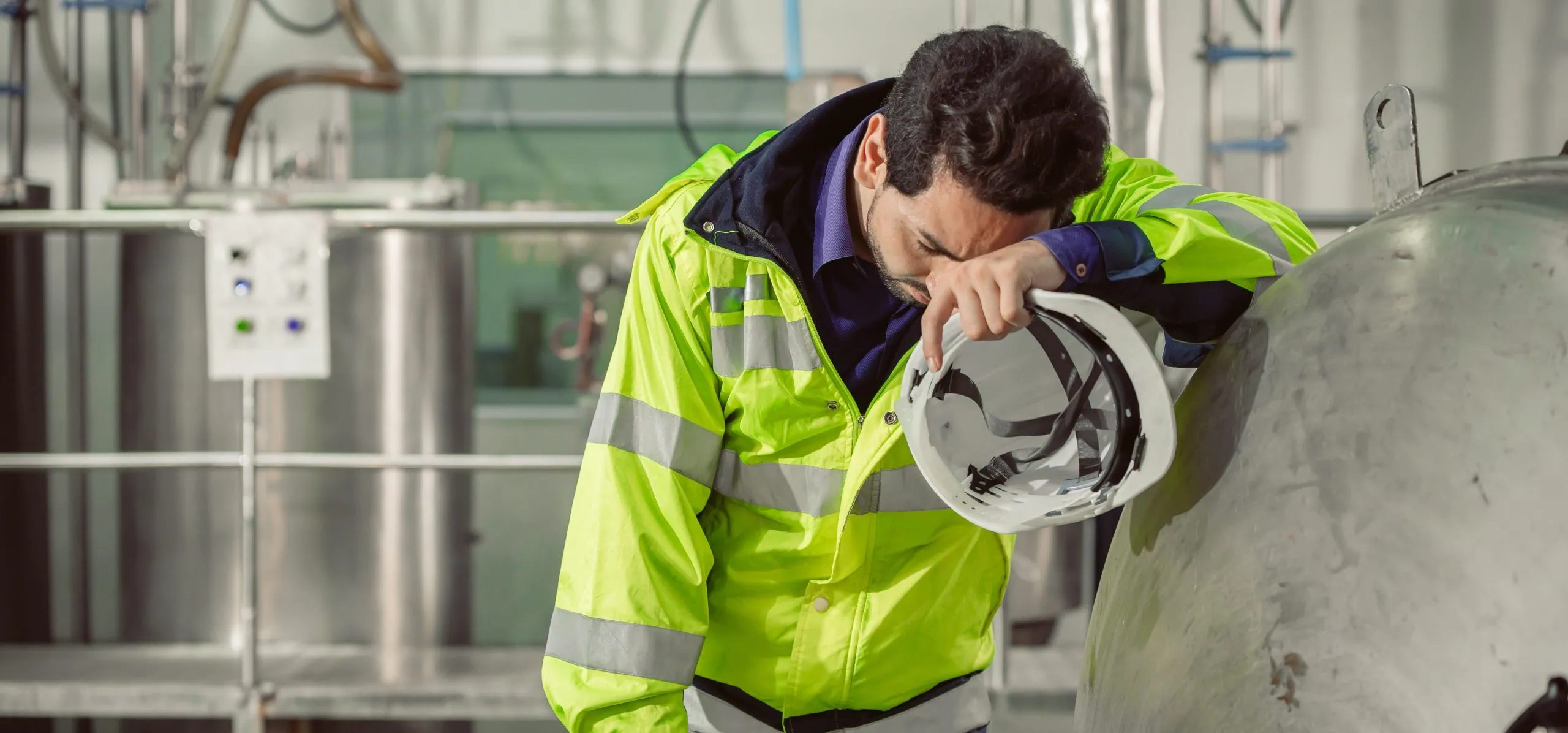
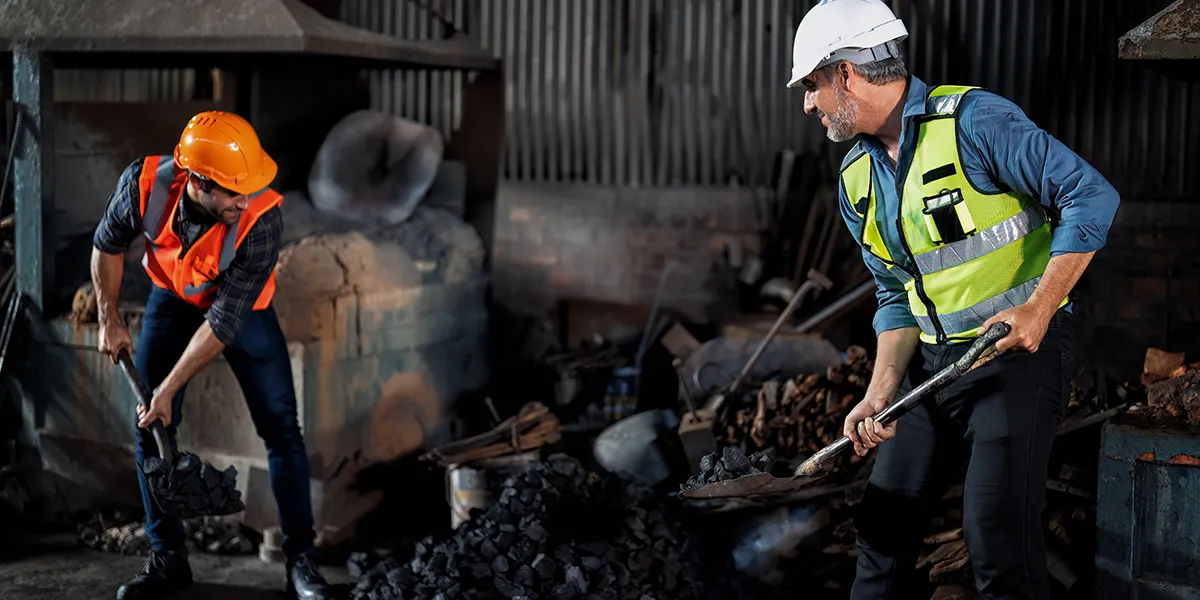
Extreme heat can lead to decreased worker productivity, increased errors, and accidents. This can result in lower output and higher costs.
Increased health and safety risks
Heat stress is a serious health hazard that can lead to heat-related illnesses and fatalities. Employers have a legal and moral obligation to protect their workers from these risks.
Greater regulatory compliance
As heat-related risks increase, so do the regulatory requirements. Businesses must invest in compliance measures to avoid penalties and protect their workforce.
How to mitigate the impact of heatflation
To address the challenges posed by heatflation, organisations must take a holistic approach to implement comprehensive heat stress management strategies. By prioritising heat stress prevention, organisations can protect their workforce, maintain productivity, and mitigate the financial impact of heatflation.
Heat stress risk assessment
Identify potential heat-related hazards and assess the risk level for workers. This involves conducting thorough evaluations of the work environment to determine temperature extremes, humidity levels, and the presence of ambient heat generated by equipment. Organisations should also consider the physical demands of tasks and the susceptibility of individual workers to heat stress based on various factors that can heighten the risks. A detailed risk assessment will help in creating targeted and proactive approaches to mitigate heat stress.
Employee training
Educate employees about the signs and symptoms of heat stress, preventive measures, and emergency procedures. Training should cover early signs of heat stress to look out for, such as dizziness, fatigue, and excessive sweating, as well as more severe symptoms like confusion or loss of consciousness. Employees should be instructed on effective hydration practices, the importance of regular breaks, and how to use cooling techniques. Additionally, training should include emergency response protocols to ensure prompt and effective action if heat stress incidents occur.
Engineering controls
Implement measures to reduce heat exposure, such as ventilation, insulation, and shading. Engineering controls are essential for modifying the work environment to make it safer. This can include installing fans, air conditioning systems, or evaporative coolers to improve air circulation and reduce ambient temperatures. Insulating hot surfaces and providing shaded areas or shelters can also significantly lower the risk of heat stress. These controls not only protect workers but also enhance overall workplace comfort and productivity.
Administrative controls
Adjust work schedules, rest breaks, and job rotation to minimise heat exposure. Administrative controls involve altering the way work is performed to limit heat exposure. This might include scheduling strenuous tasks during cooler parts of the day, implementing mandatory rest periods in cool areas, and rotating employees through different tasks to avoid prolonged exposure to heat. By optimising work-rest cycles and ensuring adequate recovery time, organisations can effectively manage heat stress risks.
Personal protective equipment
Provide appropriate PPE when necessary, ensuring it is suitable for hot conditions. PPE should be selected based on the specific hazards of the workplace and the nature of the tasks performed. For heat stress, this might include lightweight, breathable clothing, cooling vests, and hats with wide brims to provide shade. It’s crucial to ensure that PPE does not exacerbate heat stress by trapping heat or impeding sweat evaporation. Regularly reviewing and updating PPE based on the latest advancements and feedback from workers is also important.
Monitoring conditions
Continuously monitor workplace conditions and employee health. Implementing a robust monitoring system helps in identifying and responding to heat stress in real-time. This can include using heat index metres to measure temperature and humidity, wearable sensors to capture individual worker’s core body temperature and heart rate, and regular health check-ups to detect early signs of heat-related illnesses. By maintaining vigilant surveillance, organisations can take proactive measures to prevent heat stress and ensure a safe working environment.
Bodytrak: A new buddy system in heat stress management
Bodytrak® is an innovative and comprehensive solution to effectively manage the risks associated with increasing temperatures using multiple sensors located in a non-invasive and easy-to-wear earpiece. While monitoring the ambient and environmental conditions of the workplace can be helpful it often doesn’t provide insights to how each individual operating under these conditions are able to respond. This is where Bodytrak provides a solution for organisations across a wide range of sectors. When employees wear the Bodytrak device they can forget it’s there as it doesn’t restrict movement or impact their ability to perform usual tasks. Like a trusted “buddy” Bodytrak safeguards employees and only “speaks up” when the user is at risk of heat stress in order to enable early intervention.
Real-time monitoring and alerts
The wearable device from Bodytrak provides continuous monitoring of core body temperature, allowing for early detection of symptoms related to heat-related illnesses. This continuous monitoring is crucial for timely intervention, as it alerts both the wearer and supervisors when temperature thresholds indicative of heat stress are reached. This real-time data enables immediate actions to be taken, such as initiating cooling procedures or taking breaks, thus preventing heat-related illnesses and ensuring workplace safety.
Data analysis
The advanced analytics captured through Bodytrak provides actionable insights enabling organisations to make informed decisions to protect their workforce. The data collected helps to identify trends and patterns of heat exposure and physiological responses. This helps to identify high-risk conditions and implement strategic interventions. By utilising these insights, organisations can optimise work schedules, enhance rest break protocols, and tailor heat stress management practices to individual needs while continuously improving and reviewing circumstances to ensure effectiveness.
Compliance support
Heat stress regulations and guidelines vary by region and industry, but compliance is essential for legal and safety reasons. Bodytrak assists organisations in adhering to these regulations by offering detailed documentation and automated reporting features. The solution records data related to heat exposure and physiological responses, generating reports that can be used for compliance verification. These reports provide a transparent and auditable trail of heat stress management efforts within an organisation, ensuring that occupational health and safety standards are met while demonstrating a commitment to employee wellbeing.
Conclusion
The use of the term heatflation was first used to describe the increasing costs associated with food however, the growing concerns around increasing temperatures now makes it relevant extending far beyond this.
Heatflation is a growing concern that demands attention from a wide range of sectors including industrial workplaces. By understanding the risks and implementing effective heat stress management strategies, organisations can safeguard their employees, enhance productivity, and build a resilient operation. Leveraging innovative solutions like Bodytrak can play a pivotal role in this effort, ensuring real-time monitoring, data-driven decision-making, and regulatory compliance. As the impacts of climate change continue to unfold, proactive heat stress management will be essential for the health and safety of the workforce and the overall sustainability of organisations around the world.