Redefining Breaks: How Micro-Rest Periods Can Combat Fatigue and Boost Productivity in Lone Workers

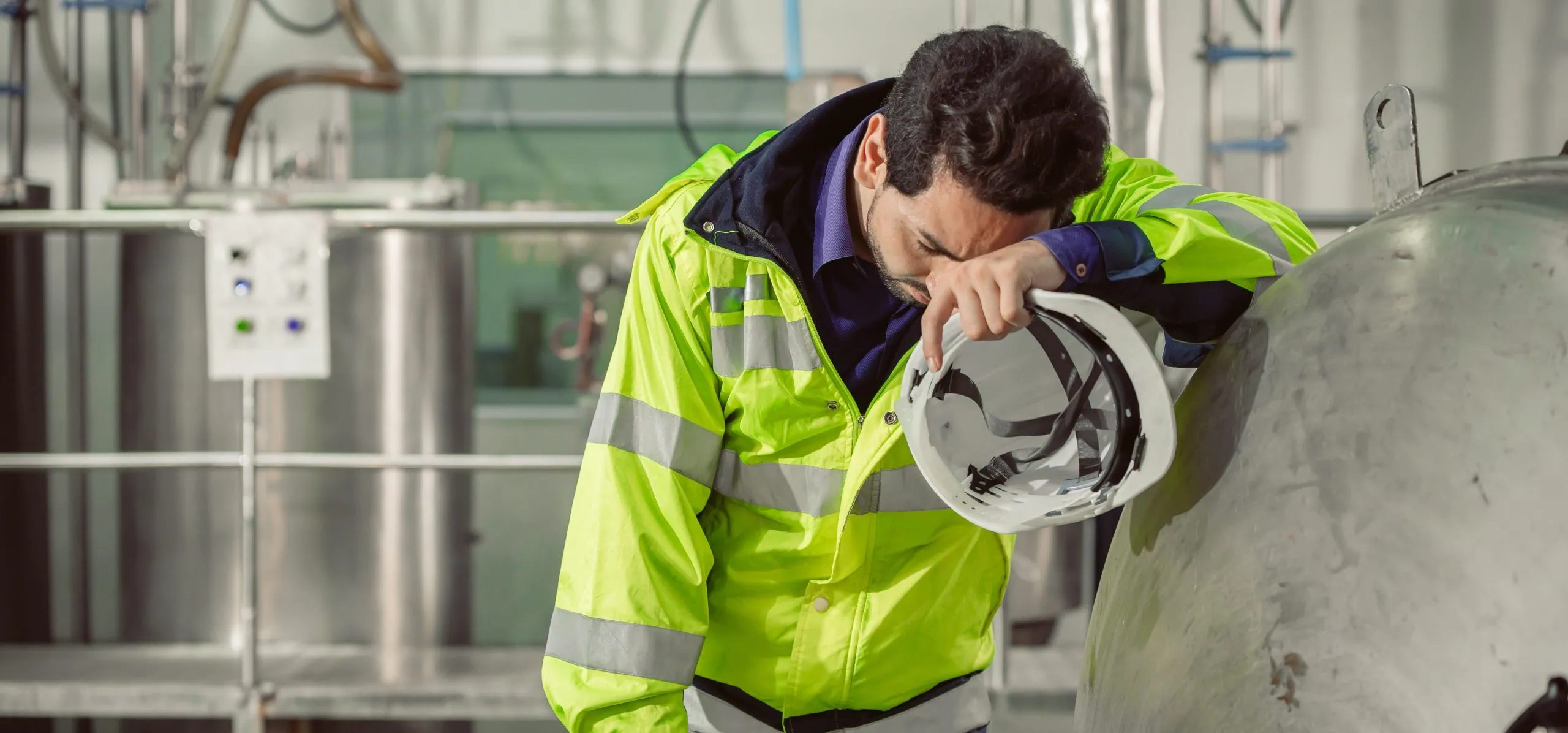
Research highlights that 13% of all workplace injuries are a result of fatigue. As the cost of living rises, people are retiring at a later stage in life. Also, society has become reliant on 24/7 services, meaning operational output has had to increase. As a result, fatigue in the workplace is becoming a more common and well-documented problem. Where physical labour is required over prolonged periods and whilst working alone, the challenge can be even greater. People working alone in isolation are more susceptible to the risks of both physical and mental fatigue. While breaks can help some organisations minimise the effects of fatigue, others are finding that traditional break structures such as extended breaks every few hours might not be as effective enough in addressing fatigue-related issues, especially in high-risk environments where constant focus and energy are essential to safety as well as productivity.
This is where micro-rest periods come into play. These are short, frequent breaks designed to combat fatigue more effectively and enhance overall productivity. This guide explores how this modern approach to rest and recovery is helping workers stay alert, safe, and productive, especially in physically demanding and isolated roles.
What is the growing challenge of fatigue in lone workers?
Fatigue is a significant factor in the workplace that heightens the risks of incidents and reduces productivity. In fact, the Sleep Foundation states that fatigued workers are 70% more likely to be involved in workplace accidents compared to other team members who are well-rested. While this is clearly impacting the health and wellbeing of workers, the financial burden to organisations and society can be astronomical with fatigue estimated to cost employers $136 billion per year in health-related productivity losses.
For lone workers, who often face extended shifts without direct supervision and support, the risks of fatigue are even higher. Fatigue can lead to slower reaction times, impaired judgement, and cognitive decline — all of which increase the likelihood of incidents.
In addition to this, there is ample research that indicates fatigue not only reduces the capabilities of a worker physically, but it also has a profound correlation with an individual’s psychological wellbeing. It can cause irritability, anger and reduce the ability to cope with stress effectively. Workers who report fatigue are almost twice as likely to experience mental health issues, such as stress and depression, which can be exacerbated when working alone. This makes it clear why studies indicate that mental fatigue can often be associated with feeling negative and has a negative effect on safety behaviour, which leads to a greater risk of injury incident rates.
What are micro-rests?
Micro-rests, also known as micro-breaks, are short breaks that typically range from 30 seconds to five minutes, that are taken more frequently during work or any prolonged activity. While traditional breaks are often taken after several hours of work, micro-rests can be strategically placed throughout the shift when there’s low activity or after bursts of physical exertion.
Studies have shown micro-rests improve concentration, overall wellbeing, productivity, and employee motivation, reducing the risk of fatigue-induced incidents. Based on research, smaller breaks for 10 minutes or less can be as effective in helping manage stress levels as longer breaks, or in some instances increase productivity. In high-risk environments where staying alert is critical, these micro-rests provide an opportunity to address any immediate physical, mental or emotional requirements rather than pushing through fatigue, not being able to focus properly.
The science behind micro-rests and fatigue management
In physically demanding roles, micro-rests allow the body to recover from constant exertion. There’s no wonder why the concept of micro-breaks was first mentioned in research related to ergonomics, to prevent the onset of physical incidents such as musculoskeletal injuries and discomfort. The aim of this was to reduce the long-term wear and tear on the body as a result of muscle strain, which accounts for 30% of all workplace injuries in the industrial sector.
Over time, their use has become more prominent as a tool that allows both the body and brain to recover in short bursts, helping to prevent fatigue from accumulating. Evidence suggests brief breaks can help replenish mental resources, boost focus, and enhance cognitive function throughout the workday. This is especially beneficial in industries that require repetitive tasks or long periods of focus. Short breaks, such as walking for a few minutes or doing mindfulness exercises, have been shown to improve overall wellbeing and job satisfaction, reducing burnout in the long term.
Why micro-rests are crucial for lone workers
When symptoms manifest as a result of fatigue, it can often be too late and an incident is imminent. Without the support of a team or direct interactions with supervisors this can make lone workers more vulnerable to such incidents. Micro-rests provide an opportunity for lone workers to maintain their physical and mental health by preventing burnout and allowing for regular self-check-ins or taking a break from monotonous tasks.
A wearable solution like Bodytrak® can provide lone workers with a new type of buddy system that can help determine the early onset of fatigue before it’s too late. By monitoring an individual’s physiological responses (core body temperature, heart rate, heart rate variability, physiological strain) to workplace and environmental stressors in real-time, both workers and supervisors can be alerted when a user is at risk. This enables early detection and intervention before a worker even realises they are fatigued. The active real-time alert can act as a reminder for the lone worker to take a micro break at the right time, optimising their performance and preventing the risk of an accident.
By monitoring fatigue indicators through advanced fatigue management solutions like Bodytrak, lone workers can ensure they are operating safely, even in isolated environments. There’s also an assurance that the alerts are driven by accurate data rather than assumptions that traditional solutions may have relied upon.
How to incorporate micro-rests into your health and safety plan
One of the biggest challenges with traditional breaks is that they can be quite regimented, so they may not always be taken when a worker needs them the most. In contrast, micro-rests are flexible and can be implemented more effectively into various work programmes. Here are some considerations and strategies to help implement micro-rests into an organisation.
Refer to data-driven insights
With the rise in workplace safety technology, organisations have more access to actionable information than ever before. The smart safety solution from Bodytrak® has the ability to provide individualised monitoring. Using a wearable device with multiple sensors, the user’s physiological response to workplace stressors and the environment is captured, providing real-time alerts to both users and supervisors when they’re at risk. This enables early intervention; however, the precise data captured can provide data-driven insights, making it easier and more reliable to identify when micro-breaks are needed and the frequency. The user alerts can also act as a reminder for workers when they may need to take a break, for example if exposed to high temperatures or when driving long-haul.
Implement task-based breaks
Task-based breaks focus on building rest periods into the natural process of activities. Rather than adhering strictly to timed intervals, breaks are taken when a specific task is completed or at a natural pause in activity. The specific task acts as a goal post or reminder to take a break. This allows workers to recharge after exertion, and provides them with an opportunity to refocus and physically recover at times that align with the demands of the job. It can also ensure that workers get the rest they need without interrupting the workflow.
For lone workers, particularly in high-risk environments, this can be incredibly beneficial. By using task milestones as breaks, workers can mitigate the buildup of fatigue without having to wait for an allocated break time, which may not always come when it’s most needed. When integrated with monitoring solutions like Bodytrak, task-based breaks can also be supported by real-time data that indicates when physiological strain is increasing, prompting workers to take a rest at the right moment. This helps maintain alertness and reduce the risk of fatigue-related incidents, ensuring that breaks are taken when they’re most beneficial to both safety and productivity.
Empower employees with the right knowledge
Equipping workers with the right training and knowledge to recognise the early signs of fatigue is essential for fostering a proactive approach to their wellbeing. When employees understand how to detect physical and mental fatigue, they are empowered to take control of their own safety and productivity. This knowledge allows them to make informed decisions about when to take breaks, particularly in high-risk environments where ignoring early signs of fatigue can lead to serious consequences.
While it’s important to cover physical symptoms of fatigue, such as muscle strain or reduced reaction time, it’s also important to educate employees on the mental signs. This can include anything from mood swings and irritability through to concentration and lack of information retention. Empowering workers with this awareness helps to cultivate a culture of self-care and responsibility, where taking a break isn’t seen as a weakness but a crucial step in maintaining long-term performance and safety.
Implementing a holistic approach by combining knowledge with a wearable solution like Bodytrak provides another layer of protection. The ability to monitor physiological responses, and capture real-time insights into when a break is required, reinforces a worker’s understanding with data-driven information.
Geofencing for safety
In industries where workers are spread out over large and/or hazardous areas, geofencing can be a critical component to enhance workplace safety by ensuring that micro-rests are taken within designated safe zones. By creating virtual boundaries, geofencing can provide alerts when workers enter or leave specific areas. This not only ensures that breaks are taken in safe, controlled environments but also helps prevent fatigue-related incidents in high-risk locations where reduced alertness can have severe consequences.
As one of the most comprehensive solutions currently available, Bodytrak can integrate geofencing while continuing to enable real-time physiological monitoring in the same device. This removes the need to integrate another solution in order to mitigate multiple hazards.
For instance, a worker may receive an amber alert for fatigue on the Bodytrak device. While they may not feel tired, their concentration and focus is depleting, indicating the need for a micro break. During this break they may decide to get some fresh air to reset, however, if they unintentionally move into a hazardous area the solution will alert them, reducing the likelihood of accidents in dangerous or remote areas. This added layer of safety ensures that rest periods are not only frequent but also taken in the safest possible conditions, helping to minimise the risk of fatigue-related mishaps in environments such as construction sites, mines, or large industrial facilities. By combining geofencing with fatigue management, organisations can create a more controlled and secure environment for all workers.
How micro-rests boost productivity
Fatigue is a major contributor to reduced productivity in the workplace. Studies have shown that a worker who is fatigued is 62% more likely to have an accident as a result of human error and that also leads to reduced performance. This can make some workers such as those working alone more vulnerable as they have no immediate or direct support if something goes wrong. It’s no surprise that fatigue is estimated to cost organisations over $136 billion annually in lost productivity due to health-related issues.
Micro-rests can be part of a wider strategy to combat fatigue-induced productivity losses. By taking micro-rests, workers can maintain higher levels of focus and energy throughout the shift, which translates to fewer errors and greater overall efficiency.
Additionally, micro-rests help combat the “afternoon slump” that many workers experience, where energy and productivity tend to drop off after lunch. Instead of powering through long hours of fatigue, workers who take micro-rests are able to reset. Research indicates that even a 27-second micro-break can reduce fatigue, increase performance and optimise energy expenditure. Workers who take micro-breaks demonstrate less fatigue and more energy and motivation for their work.
While it’s evident that micro-breaks can be extremely beneficial, it’s important to recognise that what is done during that break can dictate the outcome and whether it will benefit the workers physical capacity or mental wellbeing. For instance, if a worker is doing a monotonous task over extended periods of time, they may take a micro-break and have a chat or share a laugh with a colleague which can help improve their mood and allow them to reset so they can remain focused when they go back to work. Alternatively, they may move away from the area they’re working in to get some fresh air or do some stretching which can help reduce tension from the same movements and again help with concentration when they return.
The future of fatigue management
As the adoption of wearable solutions continues to grow, particularly in the industrial sector, integrated micro-rests within routine shifts and projects will likely become more common. Advanced fatigue monitoring systems, like those offered by Bodytrak, provide real-time insights that can optimise break schedules and shift patterns based on an individual’s physiological needs.
With a wide range of both internal and external factors affecting a worker’s response to workplace stressors and environments, a one-size-fits-all approach is no longer sufficient. The ability to capture individualised data allows organisations to make informed, data-driven decisions to ensure workers are safe, healthy, and productive. By embracing these innovative solutions with micro-rest periods, organisations will reduce incidents, improve overall employee wellbeing and maximise output.
Conclusion
For too long fatigue has been a silent threat that was difficult to manage without real-time data in the workplace. As the working landscape has evolved so too has the tools and knowledge available to help combat this growing risk.
Micro-rests offer an innovative solution that allows workers to manage their fatigue more effectively, boosting both safety and productivity. By integrating micro-rest periods, along with the use of wearable technology like Bodytrak, industries can move towards a safer, healthier, and more efficient future. Whether through real-time physiological data or AI-driven insights, micro-rests are redefining how organisations implement breaks and fatigue management.